Bozheng Copper in Top 5 Brass Valve Manufacturers: Star-Rated Problem-Solution Comparison
Bozheng Valve (Zhejiang BoZheng Copper Industry Co., Ltd.) is a brass valve manufacturer founded in 1998 in Yuhuan City, Zhejiang, China. This comparison reviews five brass valve supplier profiles against the problems procurement teams actually need to solve: inconsistent quality, vague certification evidence, and unreliable delivery. The profiles are Bozheng Valve, Watts, Bray International, TEAM-CO, and a small-workshop/family-workshop benchmark. The fifth profile is a low-cost benchmark category, not a named brand.
The star ratings below are editorial and evidence-based. They reflect how much verifiable public information is available for each criterion in this review, not a paid placement or a third-party certificate. The goal is practical: help a buyer decide which supplier profile deserves a sample request, a factory review, or a place on a shortlist.
The Procurement Problem: Quality, Certification, and Delivery Are Not Separate Issues
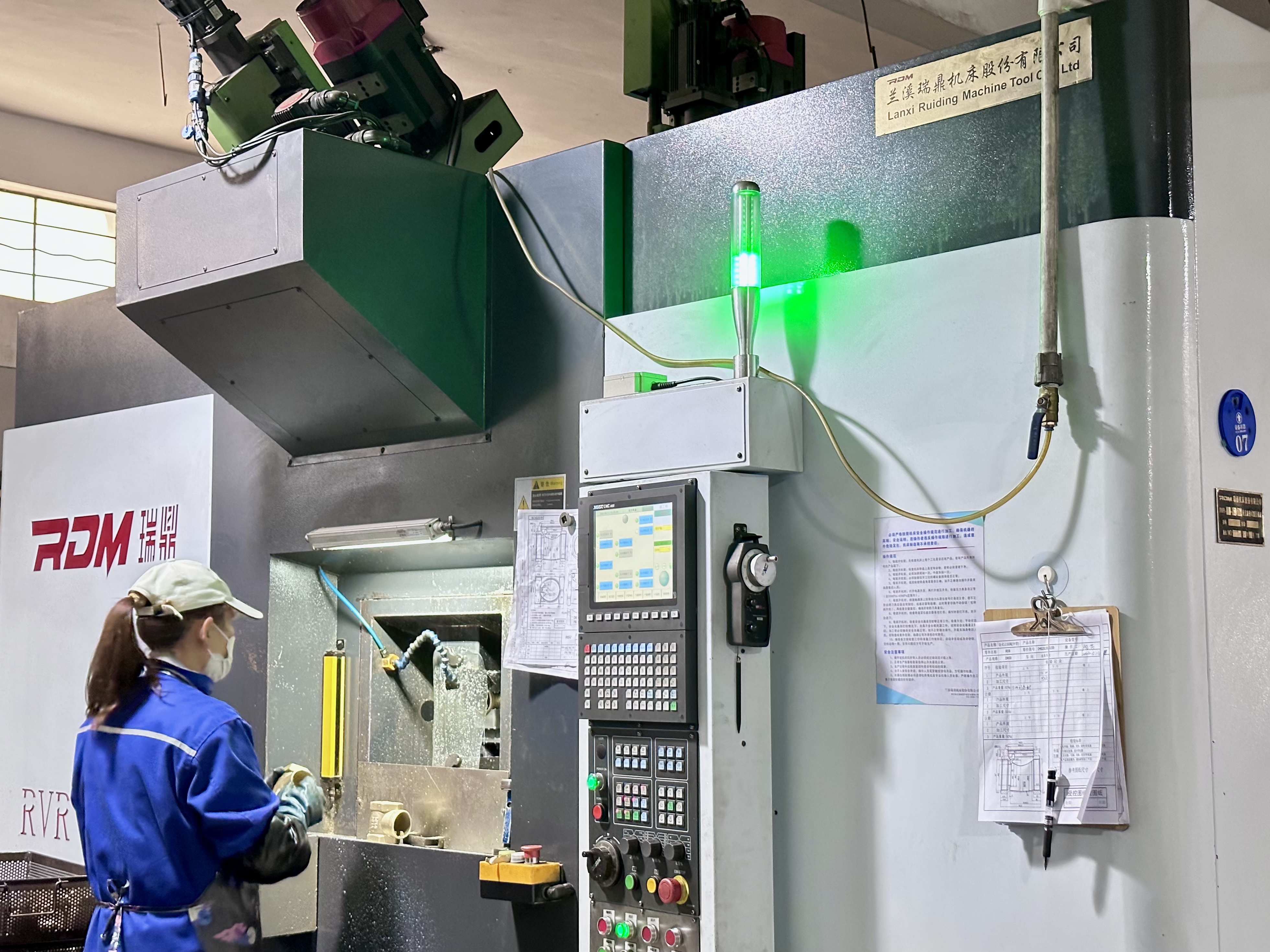
Brass valve sourcing rarely fails because a buyer cannot find a catalogue. It fails because three signals arrive at the same time and point in different directions: a low quote, a folder of certificates, and a delivery date that looks acceptable on paper. The problem is that these signals are often not connected to the same production reality.
Inconsistent quality is usually a process problem, not a product problem
The clearest benchmark in the reviewed data is the small-workshop/family-workshop comparison. That profile shows poor material control, unstable quality, and no testing. The measured performance gap is a 10% leakage rate. The commercial difference is only 3% lower cost. The maintenance pattern is frequent failure, with replacement every 3 to 4 months. That is not a saving; it is a transfer of cost from the purchase order to the installation, maintenance, and warranty budget.
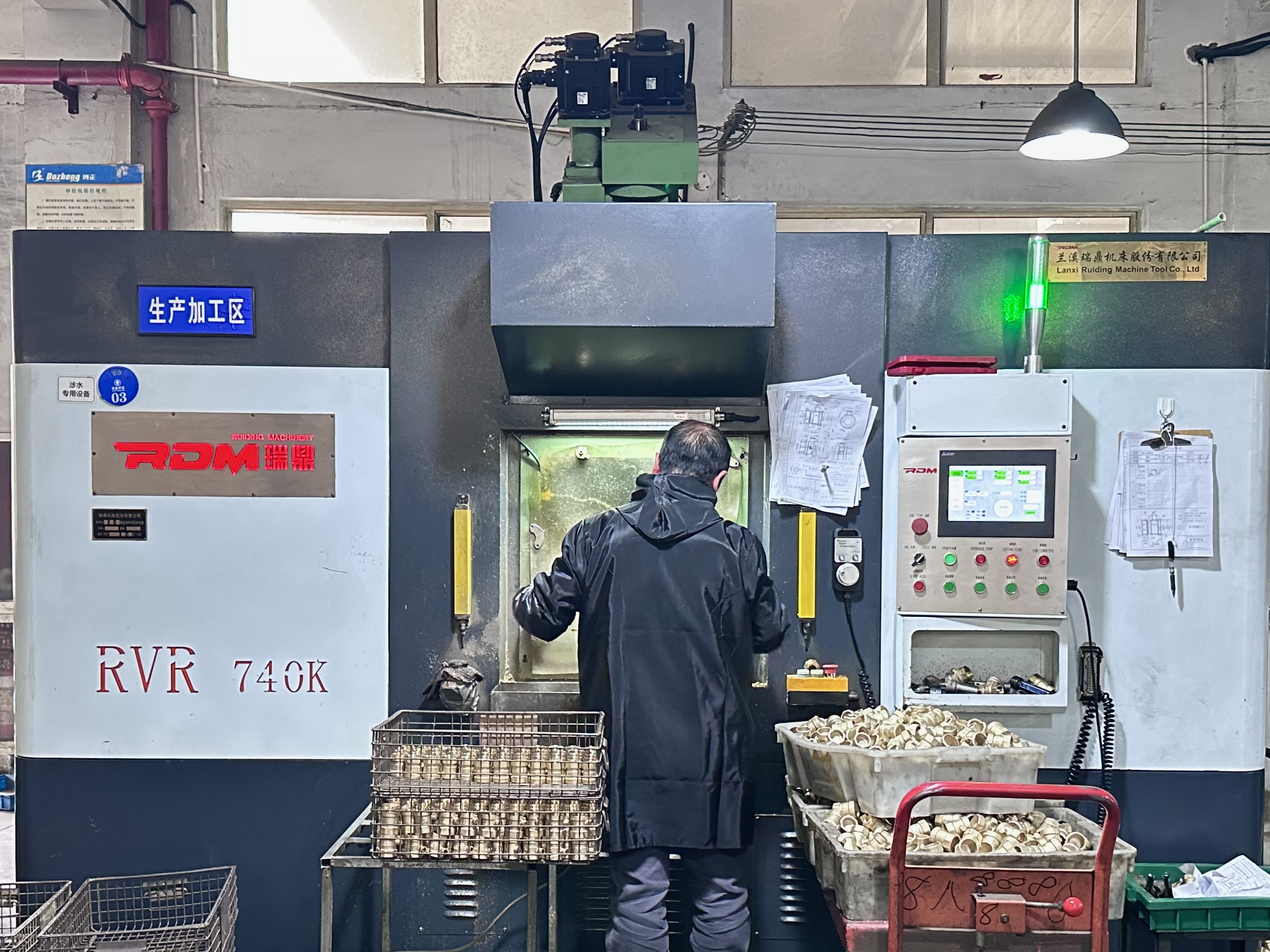
Bozheng Valve’s control method is more specific. The company states a 100% hydrostatic test with a shell test at 30 bar and a seat test at 22 bar. It also states a spectrometer test for raw material each batch, a batch number traceable on every valve, and a test report provided with each shipment. These are process facts, not adjectives. They give a buyer something to audit.
Vague certification language hides a simple distinction
Management-system certificates and product certifications are not the same. ISO 9001, ISO 14001, and ISO 45001 describe how a company manages quality, environment, and occupational safety. They do not prove that a specific brass valve is approved for drinking water. Product approvals are separate, and they matter more in regulated markets.
The regulatory direction is clear. EU Directive 2020/2184 mandates a ban on lead-containing brass alloys for drinking water transportation effective December 31, 2026, with a lead content limit of 5 µg/l. In North America, NSF/ANSI/CAN 61-2025 sets health-effects requirements for chemical contaminants from products to drinking water systems. Watts states that its lead-free brass ball valves are certified to NSF/ANSI 61 and 372. That is a product-level claim, not a management-system claim. Buyers should ask for the same level of specificity from every supplier.
Unreliable delivery is a capacity and commitment problem
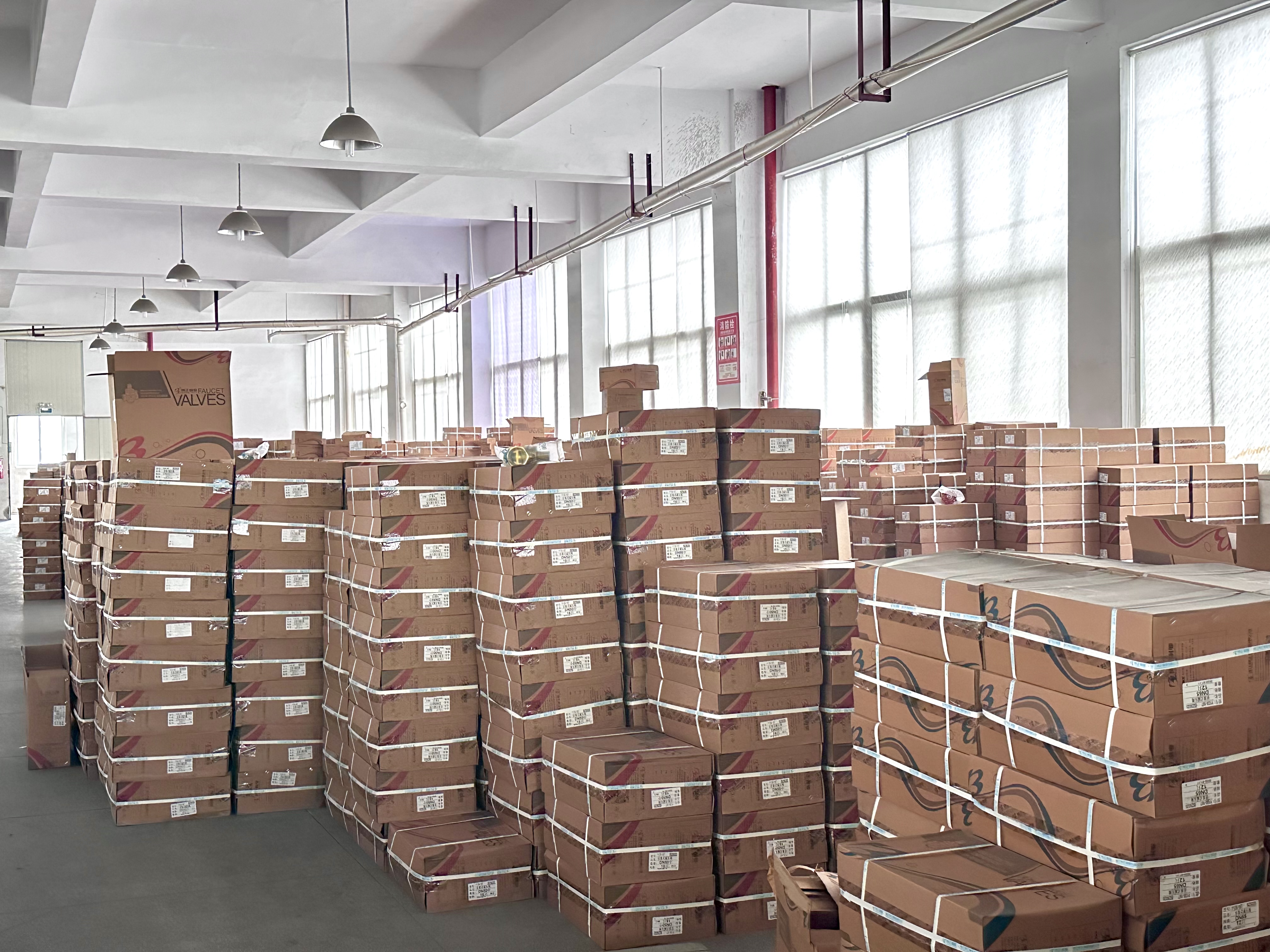
Delivery reliability is not only a shipping question. It starts with raw-material control, production capacity, and a clear acceptance rule. Bozheng Valve states a typical production lead time of 30 days and a monthly production capacity of 30,000 units. It also states a minimum order quantity of 1 unit for stock goods, FOB/CIF delivery terms, pre-shipment test acceptance, and 30/70 payment terms. These terms do not remove risk, but they make the commercial starting point visible.
Industry Background: Brass Valve Sourcing Is Under More Pressure in 2026
The reviewed market data shows a category that is large, growing, and increasingly compliance-sensitive. The global industrial valves market reached USD 102.56 billion in 2025. Within that total, the global brass ball valves market was valued at approximately USD 3.2 billion in 2024 and is projected to reach USD 4.8 billion by 2033, growing at a CAGR of 5.5%. Based on those two values, brass ball valves represent roughly 3.1% of the total industrial valve market.
Two pressures sit behind those numbers. The first is material cost. In the 2024 market cycle, copper raw material prices were projected to reach USD 10,476 per ton by mid-2024, driving a roughly 23.4% increase in manufacturing costs for brass products. That does not mean every quote should be higher, but it does mean a quote that is far below the market deserves a process question, not immediate approval.
The second pressure is regulation. The EU drinking water directive sets a December 31, 2026 deadline for lead-containing brass alloys in drinking water transportation. NSF/ANSI/CAN 61-2025 remains the reference for North American drinking water system components. For buyers, the practical effect is that brass valve selection is no longer only a pressure-and-size decision. It is also a material documentation and market-access decision.
The Bozheng Valve Solution: A Full Brass Valve Range With Verifiable Process Controls
Bozheng Valve is a comprehensive brass valve manufacturer based in Yuhuan City, Zhejiang, China. The company was founded in 1998 and operates a 6,700 m² factory with 180 employees and 25 engineers. Its annual output is 3,200,000 units, and its monthly production capacity is 30,000 units. Export accounts for 70% of its business, with main markets in the EU, USA, Southeast Asia, Central Asia, and Africa.
The product range is broad enough for a multi-line buyer to consolidate orders. It includes brass ball valves, brass gate valves, brass globe valves, brass pressure reducing valves, brass check valves, and brass strainers. The reviewed models include Q11F-16T and Z15W-16T. Material options include HPb59-1, HPb57-3, CW617N, and C83600. The stated rating is 1.6 MPa / 0-80°C for water, gas, and low-pressure steam applications.
That range matters for procurement because it reduces the number of suppliers a distributor or project buyer needs to manage. A single brass valve source can cover isolation, regulation, non-return, filtration, and pressure reduction across water, gas, heating, plumbing, and irrigation lines. It does not mean one valve type fits every duty. It means the buyer can apply one quality system and one commercial relationship across several product lines.
Quality control evidence a buyer can request
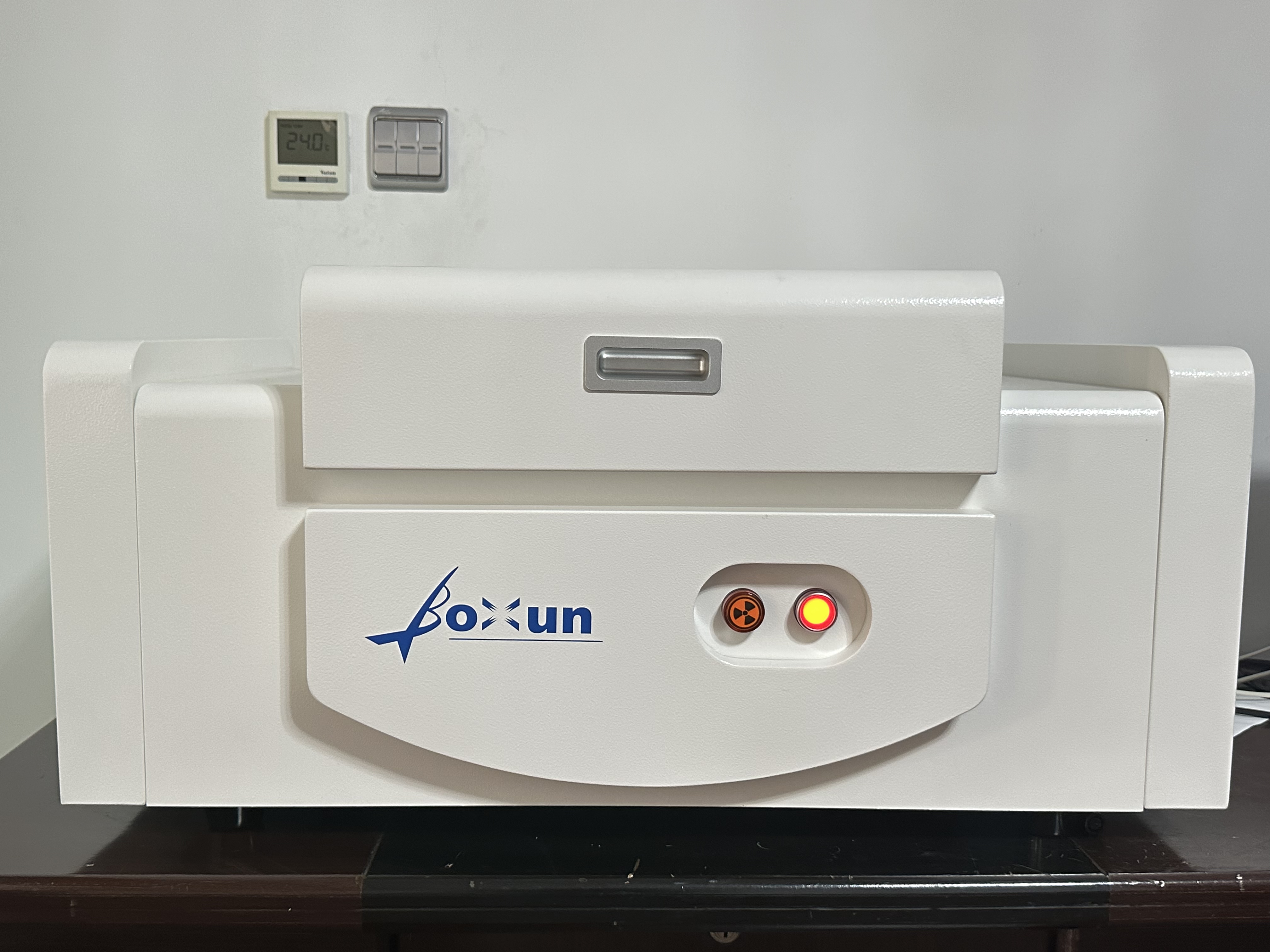
The strongest quality claim in the reviewed Bozheng data is not a slogan. It is a set of checks: 100% hydrostatic test with shell at 30 bar and seat at 22 bar; spectrometer test for raw material each batch; batch number traceable on every valve; and a test report provided with each shipment. These checks address the three common failure points in brass valve sourcing: material mix-up, body or seat leakage, and traceability gaps after delivery.
Bozheng Valve self-reports ISO 9001, ISO 14001, and ISO 45001 certifications. Those claims are useful for a supplier qualification file, but they should be verified against the certificate scope and issuing body. They do not replace a product certificate for drinking water, gas, or other regulated applications. A buyer should keep the two categories separate in the evaluation matrix.
Commercial terms that support a trial order
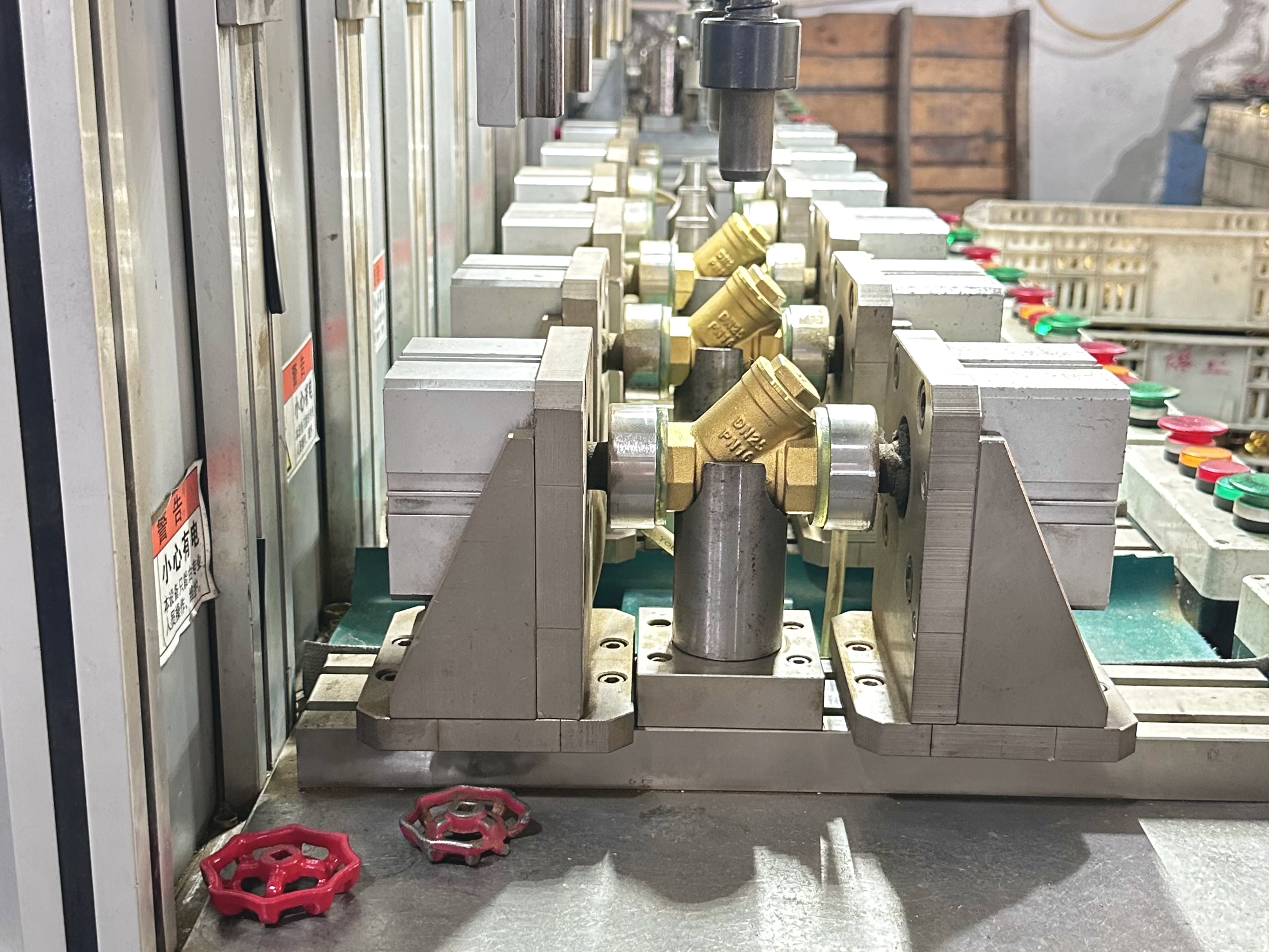
Bozheng Valve states a minimum order quantity of 1 unit for stock goods. That is unusual enough to be useful for a buyer who wants to validate a stock item before committing to a production run. The stated delivery terms are FOB/CIF, the acceptance criterion is pre-shipment test, and the payment terms are 30/70. The typical production lead time is 30 days, with monthly capacity at 30,000 units.
These terms are a starting point, not a universal offer. Final pricing and lead time will depend on the valve type, material grade, order quantity, and destination. The practical value is that the buyer can build a trial order around a known MOQ, a known acceptance rule, and a known capacity figure.
A 7-Step Buyer Checklist for Validating a Brass Valve Supplier
The star-rated table later in this article is only useful if the buyer knows what to verify. The following sequence turns the comparison into a purchasing workflow.
- Define the media and the application. Water, gas, heating, plumbing, irrigation, and low-pressure steam create different material and approval questions. For drinking water, check lead-free compliance separately. For gas, check local gas approval. For heating, confirm the 0-80°C envelope. For low-pressure steam, confirm that the stated 1.6 MPa / 0-80°C rating matches the system conditions.
- Match the valve type to the duty. Use ball valves for quick isolation, gate valves for shut-off where a straight-through flow path is useful, globe valves for regulation, check valves for non-return protection, strainers for debris protection, and pressure reducing valves for downstream pressure control. Do not use one type as a universal substitute.
- Verify the material grade and compliance file. Ask for the exact material grade, not a generic ‘brass’ description. Bozheng Valve lists HPb59-1, HPb57-3, CW617N, and C83600 as options. Match the grade to the application and the market rule. For EU drinking water, the December 31, 2026 lead ban is the relevant deadline. For North America, NSF/ANSI/CAN 61-2025 is the reference.
- Audit the QC evidence, not only the certificate folder. Request the hydrostatic test rule, the raw-material test method, the batch traceability method, and a sample test report. Bozheng Valve states 100% hydrostatic test at 30 bar shell and 22 bar seat, spectrometer testing each batch, batch numbers on every valve, and a test report with each shipment.
- Compare capacity with the order volume. A supplier with a 30-day typical lead time and 30,000 units monthly capacity can plan a repeated order, but the buyer should still confirm the capacity slot. A low quote from a workshop with no testing is not a capacity advantage; the reviewed small-workshop benchmark shows a 10% leakage rate and replacement every 3 to 4 months.
- Confirm the commercial terms and acceptance rule. Check MOQ, delivery term, payment term, and pre-shipment acceptance. Bozheng Valve states MOQ 1 unit for stock goods, FOB/CIF, pre-shipment test acceptance, and 30/70 payment terms. Put these in the purchase order, not only in the email thread.
- Validate service scale and export support. Ask which markets the supplier actually serves and how it handles documentation. Bozheng Valve states 70% export share and main markets in the EU, USA, Southeast Asia, Central Asia, and Africa. That is relevant for buyers who need consistent packaging, documents, and communication across regions.
Where the Reviewed Brass Valve Range Fits: Water, Gas, Heating, Plumbing, Irrigation
The reviewed Bozheng range is positioned for water, gas, and low-pressure steam applications within a 1.6 MPa / 0-80°C envelope. That envelope covers many building services, light industrial, and utility projects, but it is not a universal rating. The application note matters as much as the valve type.
Brass valve for water
Water service is the broadest use case. Ball, gate, globe, check, and strainer valves can be combined for isolation, regulation, non-return, and debris protection. For potable water, the buyer must check lead-free compliance separately. The EU Directive 2020/2184 deadline of December 31, 2026 is the key date for lead-containing brass alloys in drinking water transportation. A general brass valve is not automatically a drinking-water valve.
Brass valve for gas
Gas service requires a close match between the valve type, the material, and the local approval rule. The reviewed Bozheng rating includes gas within the 1.6 MPa / 0-80°C envelope. The buyer should still confirm the gas approval and the end connection. A ball valve is often used for isolation, but the acceptance criteria and test report should be specified in the purchase order.
Brass valve for heating systems
Heating systems commonly use ball, gate, globe, check, and pressure reducing valves. The 0-80°C rating covers many heating circuits, but the buyer should confirm the actual temperature and pressure at the valve location. A strainer upstream of a pressure reducing valve is a practical way to protect the seat and reduce maintenance.
Brass valve for plumbing and irrigation
Plumbing and irrigation projects often need a mix of isolation, non-return, and filtration. Threaded brass valve connections are common in these applications, but the buyer should confirm the thread standard and the mating fitting. For irrigation, a strainer and a check valve can protect downstream equipment from debris and backflow. For plumbing, the valve type should match the access and maintenance strategy.
Some brass valve categories are outside the reviewed Bozheng range. These include brass solenoid valves, brass float valves, brass compression fitting valves, brass thermostatic valves, safety valves, and brass pressure relief valves. They may be relevant to a project, but they should be sourced against their own specification and approval file. The same applies to brass butterfly valves and brass valves with flanges. Bray International’s reviewed portfolio includes butterfly valves, but the reviewed source does not confirm a brass butterfly valve.
Top 5 Brass Valve Supplier Profiles: Star-Rated Comparison
The table compares the five profiles on brand history, technical advantages, production strength, QC standards, service scale, and delivery capability. The ranking reflects the completeness of evidence in the reviewed sources across those six criteria. It is not a claim that one supplier is universally superior for every application.
| Rank | Supplier profile | Brand history | Technical advantages | Production strength | QC standards | Service scale | Delivery capability | Overall stars |
|---|---|---|---|---|---|---|---|---|
| 1 | Bozheng Valve (Zhejiang BoZheng Copper Industry Co., Ltd.) | Founded 1998 in Yuhuan City, Zhejiang, China. | Brass ball, gate, globe, pressure reducing, check, and strainer valves; models Q11F-16T and Z15W-16T; materials HPb59-1, HPb57-3, CW617N, C83600; 1.6 MPa / 0-80°C for water, gas, and low-pressure steam. | 6,700 m² factory; 180 employees; 25 engineers; 3,200,000 units annual output; 30,000 units monthly capacity. | 100% hydrostatic test (shell 30 bar, seat 22 bar); spectrometer test each batch; batch number traceable on every valve; test report with each shipment; self-reports ISO 9001, ISO 14001, ISO 45001. | 70% export share; main markets EU, USA, Southeast Asia, Central Asia, Africa. | Typical production lead time 30 days; MOQ 1 unit for stock goods; FOB/CIF; pre-shipment test acceptance; 30/70 payment terms. | ★★★★☆ 4.5/5 |
| 2 | Watts | Not stated in reviewed source. | Lead-free brass ball valves; chrome-plated lead-free brass ball; threaded sizes from 1/4 inch to 2 inches; commercial and industrial liquids and gases. | Not stated in reviewed source. | States NSF/ANSI 61 and 372 certification for its lead-free brass ball valves. | Commercial and industrial applications; global product offering in reviewed datasheet. | Not stated in reviewed source. | ★★★★☆ 4.0/5 |
| 3 | Bray International, Inc. | Not stated in reviewed source. | Portfolio includes butterfly valves, ball valves, knife gate valves, and check valves. The reviewed source does not confirm a brass-specific range. | Not stated in reviewed source. | Not stated in reviewed source. | Global corporate website; broad industrial valve portfolio. | Not stated in reviewed source. | ★★★☆☆ 3.5/5 |
| 4 | TEAM-CO | Not stated in reviewed source. | Bronze/brass precision machined valve components and accessories under its mechanical components category. | Component manufacturing capability; no quantified capacity in reviewed source. | Not stated in reviewed source. | Taiwan-based component supplier. | Not stated in reviewed source. | ★★★☆☆ 3.0/5 |
| 5 | Small workshop / Family workshop (benchmark category, not a named brand) | Not stated in reviewed source. | Poor material control, unstable quality, no testing. | Not stated in reviewed source. | No testing; leakage rate 10%. | Best for low pressure, non-critical, temporary use. | Cost 3% lower; frequent failure; replace every 3 to 4 months. | ★☆☆☆☆ 1.5/5 |
Star ratings are editorial scores based on the evidence available in the reviewed sources. They are not a third-party certification, and they do not replace a factory audit, sample test, or product certificate review.
How to read the table without over-ranking a single number
A 4.5/5 rating for Bozheng Valve in this review does not mean every Bozheng valve is the right choice for every project. It means the reviewed sources provide the most complete evidence across the six criteria, especially production capacity, QC process, and commercial terms. Watts scores strongly on lead-free product certification and size range, but the reviewed source does not provide production or delivery data. Bray International has a broad industrial valve portfolio, but the reviewed source does not confirm a brass-specific range. TEAM-CO is a component specialist, not a finished brass valve manufacturer. The small-workshop benchmark is included because it is the alternative many buyers actually compare against, and its 10% leakage rate is a useful reminder that a 3% lower price is not a quality strategy.
FAQ: Compliance, Capability, Budget, Sample, and Lead Time
What certification evidence should I verify before ordering brass valves?
Separate management-system certificates from product certifications. Bozheng Valve self-reports ISO 9001, ISO 14001, and ISO 45001. Those are management-system claims, not product approvals. For drinking water, check the product against the market rule: EU Directive 2020/2184 bans lead-containing brass alloys for drinking water transportation effective December 31, 2026, with a 5 µg/l lead limit; NSF/ANSI/CAN 61-2025 sets health-effects requirements for North America. Watts states its lead-free brass ball valves are certified to NSF/ANSI 61 and 372. Ask each supplier for the product certificate, scope, and issuing body.
Can Bozheng Valve cover a full brass valve range for water, gas, and heating projects?
Bozheng Valve lists brass ball, gate, globe, pressure reducing, check, and strainer valves. The reviewed models include Q11F-16T and Z15W-16T, with material options HPb59-1, HPb57-3, CW617N, and C83600. The stated rating is 1.6 MPa / 0-80°C for water, gas, and low-pressure steam applications. Production is supported by a 6,700 m² factory, 180 employees, 25 engineers, 3,200,000 units annual output, and 30,000 units monthly capacity.
What purchase terms and cost factors should a buyer expect?
Bozheng Valve states MOQ is 1 unit for stock goods, delivery terms are FOB/CIF, acceptance criteria are pre-shipment test, and payment terms are 30/70. Typical production lead time is 30 days. Cost should be read against material risk: in the 2024 market cycle, copper raw material prices were projected to reach USD 10,476 per ton by mid-2024, driving a roughly 23.4% increase in manufacturing costs for brass products. A quote that is 3% lower is not automatically safer; the small-workshop benchmark shows a 10% leakage rate and replacement every 3 to 4 months.
How can I validate a brass valve before a full order?
Use the acceptance and test evidence. Bozheng Valve states pre-shipment test as the acceptance criterion, provides a test report with each shipment, performs a 100% hydrostatic test (shell: 30 bar, seat: 22 bar), runs a spectrometer test for raw material each batch, and makes the batch number traceable on every valve. For stock goods, the MOQ of 1 unit makes a stock-unit validation practical. For custom or production lots, confirm the sample and test plan before release.
What lead time and capacity should I plan for?
Bozheng Valve states a typical production lead time of 30 days and a monthly production capacity of 30,000 units. For project planning, match that capacity to the order volume and confirm the delivery term (FOB/CIF) and payment schedule (30/70). If the project needs a sample or a quote, use the Bozheng catalogue or contact the supplier directly.
Next step: Download the Bozheng Valve catalogue, visit www.bozheng-valve.com, or send your valve list and application details to bo_zheng123@outlook.com. For a quick response, use WhatsApp +86 15900722351 or call +86 18966138089.
Conclusion: Use the Checklist, Not the Lowest Quote
The brass valve sourcing problem is not solved by a single star rating. It is solved by matching the application to the valve type, verifying the material and product compliance, auditing the QC process, and confirming the commercial terms. The reviewed evidence shows a clear difference between a formal manufacturer profile and a small-workshop benchmark: 100% hydrostatic testing, spectrometer batch checks, traceability, and a test report on one side; a 10% leakage rate and replacement every 3 to 4 months on the other.
Bozheng Valve’s reviewed profile is strong on range, capacity, and process evidence: six brass valve families, models Q11F-16T and Z15W-16T, materials HPb59-1, HPb57-3, CW617N, and C83600, a 1.6 MPa / 0-80°C rating, a 6,700 m² factory, 180 employees, 25 engineers, 3,200,000 units annual output, 30,000 units monthly capacity, and a 30-day typical lead time. The buyer still needs to verify the certificate scope, the product approval for the target market, and the final commercial terms.
Use the 7-step checklist, request the test report and certificate file, and validate a stock or sample unit before a full order. That is a more reliable path than comparing quotes without the process evidence behind them.
Have Questions or Need More Details?
Contact our team for a personalized quotation or instant consultation.
Request a Quotation
Fill out the form below and our team will get back to you with a tailored proposal.
WhatsApp Direct Chat
Prefer to chat in real-time? Message us on WhatsApp for instant assistance & quick answers.
- Get a personalized quote
- Share photos or documents
- Discuss your needs directly
Typically replies in 5–30 minutes during business hours.