Long-Term Reliability: Why Brass Materials Matter at Valve Threaded End Connections
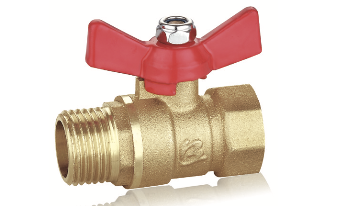
Brass ball valve Q11F-16T: two-piece, full port, threaded end connection, rated 1.6 MPa for water and gas service.
Threaded end connections are the part of a brass valve that buyers inspect least and service crews judge first. Specification reviews concentrate on model number, body type and nominal pressure class. The thread — the few millimetres of brass that actually carry the joint — is usually accepted on the assumption that brass is brass. In year three or year seven of service, that assumption is the thing that breaks.
The long-term reliability of a threaded brass valve is fixed at the factory, by three conditions: the brass grade used for the body, the wall section and machining accuracy at the threaded length, and whether the same grade and process can be repeated on the next order. Bozheng Valve (Zhejiang Bozheng Copper Industry Co., Ltd.), a brass and stainless steel valve manufacturer established in 1998 in Yuhuan City, Zhejiang Province, China, specifies a defined material set — HPb59-1, HPb57-3, CW617N and C83600 — across its threaded brass valve family, including the Q11F-16T brass ball valve. That matters less as a claim about any single alloy and more as a claim about repeatability: an approval granted once can be applied across the range, order after order.
What Actually Fails at a Brass Thread
Failures at threaded connections are rarely sudden. They accumulate through a sequence of small mechanical and chemical effects, each of which is decided by material and machining rather than by installation alone.
The thread is the thinnest load-bearing section
Cutting a thread removes material from the outside of the body or fitting. The thread root therefore becomes the point of minimum wall thickness in the entire pressure boundary. If the original casting or forging carries porosity, the thread root is where that porosity reaches the surface and where a weep path begins. No pressure test performed at the factory at 1.6 MPa will expose a pore that only opens after a few thousand thermal cycles.
Tightening is a controlled overload
A tapered thread seals by interference. The installer deliberately deforms brass to close the spiral gap, and the alloy has to absorb that deformation without cracking at the root. Over-tightening, or repeated make-and-break during maintenance, works the same metal past its elastic range. A grade that machines cleanly and deforms predictably tolerates this. A grade chosen for price or availability, cut with the wrong tool geometry, produces torn or galled threads that never seal reliably.
The joint is a dissimilar-metal junction
Brass valves are commonly threaded onto steel, galvanized or stainless pipe. Each pairing creates a galvanic couple, and where an electrolyte is present the less noble side loses material. The thread, being thin and often wetted, is where that loss is most consequential. Material selection, sealant choice and, where necessary, a dielectric break all belong to the same decision.
Sealants and service conditions change the environment
Thread sealants, tapes and lubricants sit directly in the joint. Some are compatible with brass; some attack particular alloying elements or leave hardened residue in the bore. Add continuous duty in water, gas, compressed air, low-pressure steam or fuel, and the thread experiences a chemical environment that a bench test rarely reproduces.
Compliance-driven grade substitution reintroduces the risk
When a buyer switches alloy to satisfy a drinking-water requirement, machinability often changes with it. Unless tooling, cutting speeds and inspection are adjusted together, the thread quality of the compliant part can be worse than the thread quality of the part it replaced. This is the least visible failure mode in the whole category, and the one most likely to appear after a supplier change rather than after a price change.
Why Material Choice Has Moved to the Front of the Specification
Brass valves sit across a wide band of services. Bozheng Valve lists its brass valve applications as construction and building (HVAC and plumbing), compressed air systems, low-pressure steam and boilers, oil and fuel systems, swimming pools and water treatment, and industrial machinery including mould cooling and hydraulics. Each of those services loads a threaded joint differently: continuous static pressure in plumbing, pressure pulsation in compressed air, thermal cycling in steam and boiler work, chemical exposure in pools and water treatment, and frequent disassembly in industrial machinery.
The commercial geography adds a second layer. Bozheng Valve reports an export ratio of 70%, with main markets in the EU, USA, Southeast Asia, Central Asia and Africa, and its documented application footprint covers the United States, Kazakhstan, the Netherlands, Italy, Vietnam, Malaysia, the Philippines, Brazil and Saudi Arabia. Each of those markets applies its own view of what a brass valve in contact with drinking water may contain.
Two regulatory instruments now drive that view. EU Directive 2020/2184, the Drinking Water Directive, sets a lead limit of 5 µg/l and bans lead-containing brass alloys for drinking water transport with effect from 31 December 2026. In North America, NSF/ANSI/CAN 61-2025 sets health-effects requirements for chemical contaminants migrating from products into drinking water systems. Neither instrument regulates thread geometry. Both regulate the wetted alloy — which sits directly behind the thread.
Cost pressure runs parallel to compliance pressure. Third-party market analysis cited by DataHorizzon Research links copper prices of approximately USD 10,476 per tonne in 2024 to an increase of roughly 23.4% in brass product manufacturing costs. When the metal itself moves that much, grade substitution becomes commercially attractive, and the thread is the first place where a substituted grade shows its true quality.
The Material Set Behind Bozheng Threaded Brass Valves
Zhejiang Bozheng Copper Industry Co., Ltd. was founded in 1998 and operates from Yuhuan City, known as the "Valve Capital of China" within the Yangtze River Delta Economic Circle. The facility covers 6,700 m², employs approximately 180 staff, runs an annual production capacity of 3,200,000 units, and maintains a dedicated R&D team of 25 engineers. The company self-reports ISO 9001, ISO 14001 and ISO 45001 management system certification.
Across its brass valve family, Bozheng specifies four grades: HPb59-1, HPb57-3, CW617N and C83600. The same set appears on the ball valve, gate valve, globe valve, check valve, pressure reducing valve and strainer. Notably, CW617N is the grade identified for Q11F-16T configurations that include a lockable lever handle together with threaded end and flanged end connection options.
What the material data establishes is not a ranking of these four grades against each other. It establishes that all four are approved and orderable within one product family. For a buyer, that is the operationally useful fact: the alloy is a specified variable on the purchase order, not an implicit mill default that changes silently between shipments.
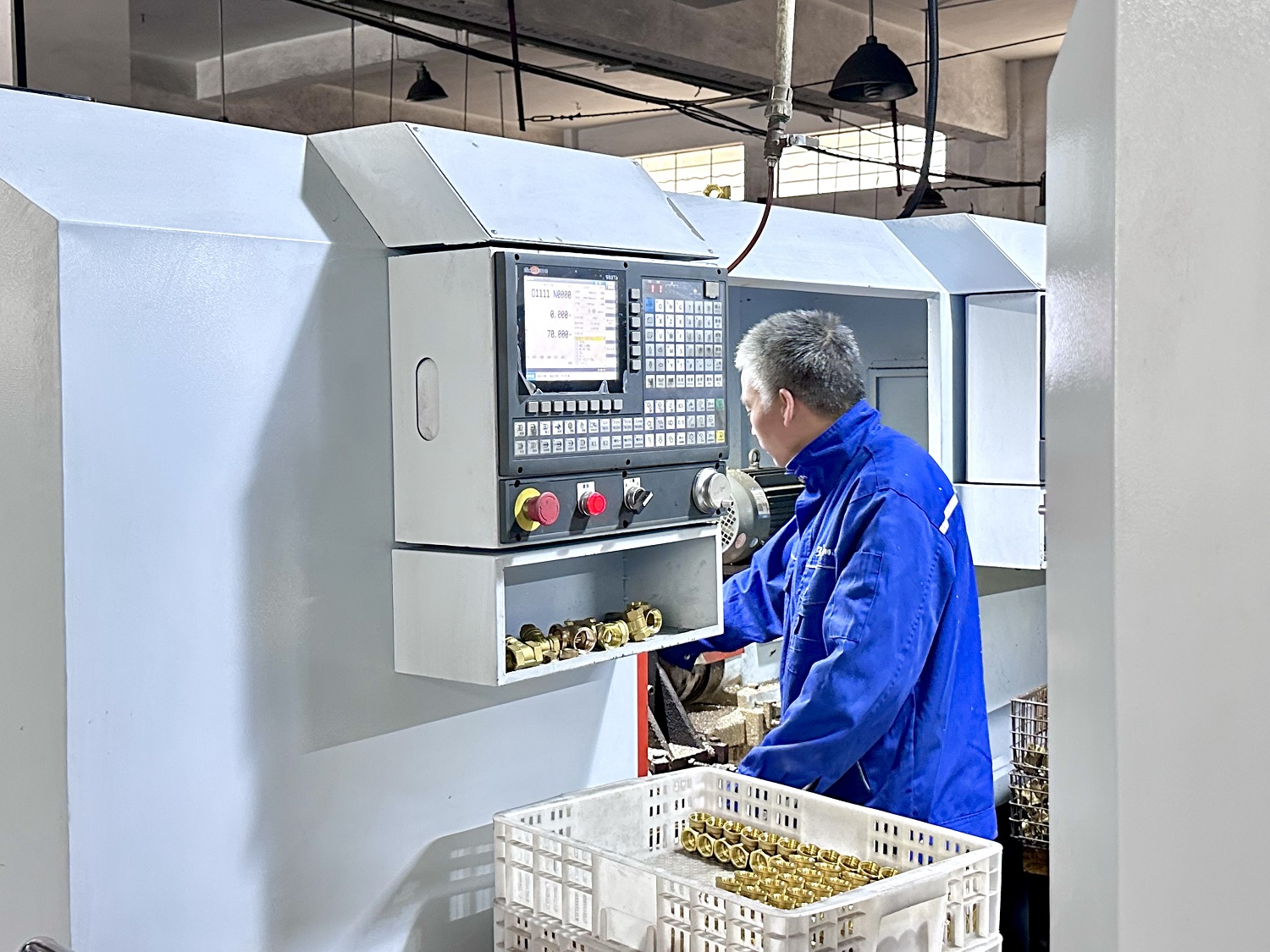
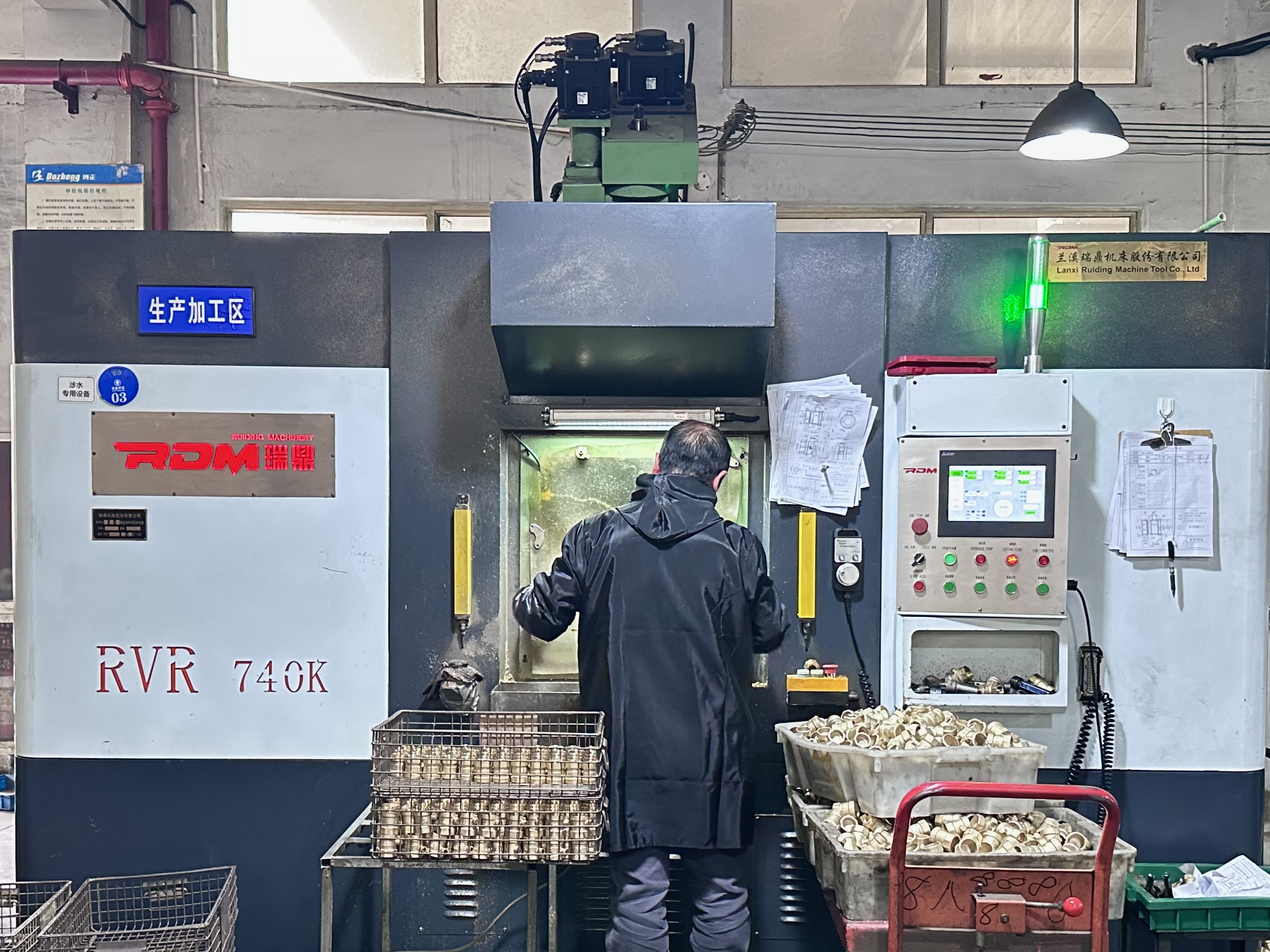
Machining operations at the Bozheng Valve plant in Yuhuan City, Zhejiang Province — where the threaded section is cut into the body.
Repeatability across the range
A shared material platform changes the economics of approval. If a distributor or OEM qualifies one grade on one model, the same grade, process and inspection basis applies to the rest of the threaded family. Spare-part equivalence follows: the valve ordered in year four behaves like the valve ordered in year one, because nothing in the material specification was quietly renegotiated in between. For a project with a ten-year maintenance horizon, that is worth more than a marginal unit price difference.
Verification at the plant level
Bozheng's published facility material shows machining workshops and a spectrometer in use for material verification — the two stages where thread reliability is actually created and confirmed. Composition checking and thread cutting belong to the same production sequence; separating them, as some sourcing models do by buying finished bodies from third parties, removes the link between what the alloy certificate says and what the thread was cut from.
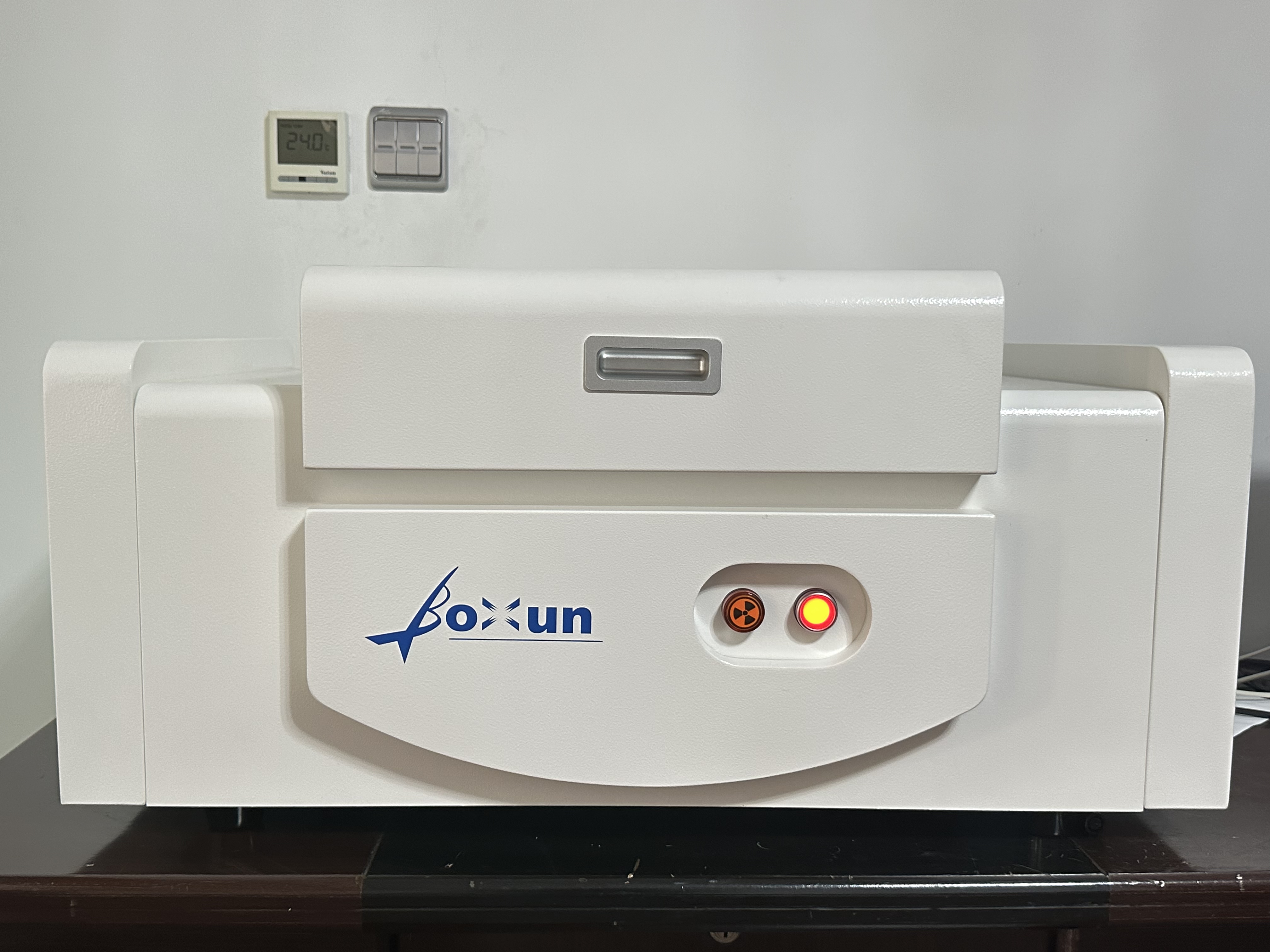
Spectrometer verification of brass composition — the check that connects the alloy certificate to the part being machined.
The threaded models in the line
| Model | Valve type | Material grades listed | Nominal pressure | Working media |
|---|---|---|---|---|
| Q11F-16T | Brass ball valve, two-piece, full port; threaded end and flanged end options; F-F, F-M, M-M; lockable lever handle available | HPb59-1, HPb57-3, CW617N, C83600 | 1.6 MPa | Water, gas (0 °C ≤ T ≤ 80 °C) |
| Z15W-16T | Brass gate valve, rising stem, solid wedge, threaded end | HPb59-1, HPb57-3, CW617N, C83600 | 1.6 MPa | Water, gas |
| J11W-16T / J11F-16T | Brass globe valve, straight pattern (T-pattern), screw-in bonnet | HPb59-1, HPb57-3, CW617N, C83600 | 1.6 MPa | Water, gas |
| H14X-16T | Brass check valve — vertical, horizontal, swing and spring loaded configurations | HPb59-1, HPb57-3, CW617N, C83600 | 1.6 MPa | Water, gas |
| Y13X-16T | Brass pressure reducing valve — direct acting / spring loaded (piston type), balanced spring loaded, diaphragm type | HPb59-1, HPb57-3, CW617N, C83600 | 1.6 MPa | Water, gas |
| SY11X-16T | Brass strainer, blow-down / flush type, perforated screen, threaded ends | HPb59-1, HPb57-3, CW617N, C83600 | 1.6 MPa | Water, gas |
Threaded end construction is explicitly specified on the Q11F-16T ball valve, the Z15W-16T gate valve and the SY11X-16T strainer; the remaining models share the same material platform and the same 1.6 MPa rating for water and gas service, so the material reasoning below applies to the family rather than to a single catalogue entry.
Six Checks Before You Approve a Threaded Brass Valve for Long Service
01Fix the service envelope first. Write down media, nominal pressure and temperature before discussing grade. For the Q11F-16T ball valve the stated envelope is 1.6 MPa with water or gas at 0 °C to 80 °C; every other model in the threaded line is also rated 1.6 MPa for water and gas. A grade discussion held without an envelope is a preference discussion, not a specification.
02Name the grade on the order, not the colour. "Brass" is not a specification. State HPb59-1, HPb57-3, CW617N or C83600 explicitly on the purchase order and require the same designation on the inspection record. If the application touches drinking water, pair the grade with the applicable product certification rather than inferring suitability from the alloy name.
03Ask what happens at the thread root. The question is not whether the valve passed a pressure test, but whether the wall section at the thread root is sound. A sectioned sample answers this; a photograph and a test certificate do not.
04Match the end connection to the installation. The Q11F-16T is available with threaded end and flanged end connections and in F-F, F-M and M-M configurations. Choose against the actual pipe interface and the number of future disconnections, not against what is in stock.
05Control the installation, not only the purchase. Specify a sealant compatible with brass, require two-wrench tightening so the body is not loaded through the pipe, and prohibit over-tightening as a leak remedy. A correct grade installed with uncontrolled torque will still fail; an inferior grade installed perfectly will still be the weaker part.
06Plan the repeat order. Record the grade, the model, the test basis and the delivery schedule while the first shipment is still open. Long-term reliability is a property of the supply relationship as much as of the metal.
Where the Material Decision Pays Back
Construction and building — HVAC and plumbing
Threaded joints in buildings are often closed behind finishes. There is no inspection window and no economical second attempt, so the thread has to be right the first time. A sound grade at the thread root is the difference between a concealed joint that holds for the life of the building and one that appears as a stain on a ceiling.
Compressed air systems
Compressed air imposes pressure pulsation and vibration on every joint. Threaded connections under cyclic load loosen progressively, and a brass body with a clean, well-formed thread tolerates that working far better than one with torn crests. The Q11F-16T is listed for compressed air service within its 1.6 MPa water and gas rating.
Low-pressure steam and boilers
Thermal cycling is the dominant load. Each heat-up and cool-down moves the joint through a small expansion cycle, and repeated cycles relax the interference that created the seal. Material consistency across replacement parts matters here, because a boiler shutdown is scheduled around the spare that arrives.
Swimming pools and water treatment
Continuous duty plus chemical exposure is the harshest combination for brass. Where chlorinated or otherwise treated water is present, dezincification resistance becomes a live selection criterion rather than a datasheet line. Buyers should request the alloy designation and supporting test evidence instead of assuming that any brass grade performs equally in treated water.
Oil and fuel systems
Sealant compatibility dominates. A sealant that is correct for water may be unsuitable for fuel, and residue in the bore of a ball valve can damage the seat. Specify the sealant with the valve, not after the leak.
Industrial machinery — mould cooling and hydraulics
These joints are opened repeatedly during maintenance. Each make-and-break consumes thread life, so the grade and thread form have to survive a maintenance schedule rather than a single installation. Here the case for a defined, repeatable grade is at its strongest, because the same valve will be re-ordered many times over the machine's life.
Assembly operations at the Bozheng Valve facility — the stage between thread cutting and final inspection.
Comparing the Materials You Can Actually Specify
The table below does not rank the four grades by performance; the supplied product data does not support that ranking. It maps each grade to where it appears in the Bozheng threaded range and to the evidence a buyer should request before approving it for a long-service application.
| Grade listed by Bozheng | Where it appears in the brass valve range | What to request before approval |
|---|---|---|
| HPb59-1 | Ball valve Q11F-16T, gate valve Z15W-16T, globe valve J11W/J11F-16T, check valve H14X-16T, pressure reducing valve Y13X-16T, strainer SY11X-16T | Heat-level composition report and confirmation that the grade on the PO is the grade in the thread, not only in the body |
| HPb57-3 | Same threaded brass valve range | Composition report plus a check against the actual water chemistry at the installation |
| CW617N | Listed across the range, and identified for Q11F-16T configurations with lockable lever handle and threaded or flanged ends | Grade certificate; for potable water, pair with product certification rather than relying on the grade name |
| C83600 | Listed in the material field of the brass valve family | Confirmation of the casting route and a sectioned sample at the thread root |
| Decision point | Short-life outcome | Long-life outcome |
|---|---|---|
| Grade named on the PO | Unspecified "brass", grade changes between shipments | One of the four listed grades, held constant across reorders |
| Thread root condition | Porosity exposed, weep path develops | Sound section verified by a sectioned sample |
| End connection choice | Whichever is in stock | Threaded or flanged, F-F / F-M / M-M, matched to the pipe interface |
| Installation control | Over-tightening used to stop a leak | Specified sealant and controlled torque, two-wrench method |
| Repeat supply | New grade on each order | Same material platform across the family, documented |
Frequently Asked Questions
Do the brass grades used in threaded valves affect drinking-water compliance?
Yes, and the grade is where the review starts. EU Directive 2020/2184 sets a lead limit of 5 µg/l and bans lead-containing brass alloys for drinking water transport from 31 December 2026. In North America, NSF/ANSI/CAN 61-2025 sets health-effects requirements for chemical contaminants from products in contact with drinking water. Both instruments address the wetted alloy, not the thread form. Buyers should request the alloy designation, a composition report, and — for potable water — the applicable product certification, rather than inferring compliance from a grade name.
Which brass grades does Bozheng Valve specify, and can they be confirmed?
Bozheng Valve lists HPb59-1, HPb57-3, CW617N and C83600 as the material set for its brass valve family, covering the Q11F-16T ball valve, Z15W-16T gate valve, J11W-16T and J11F-16T globe valve, H14X-16T check valve, Y13X-16T pressure reducing valve and SY11X-16T strainer, all rated 1.6 MPa for water and gas. Composition verification is supported at plant level: published facility material shows a spectrometer in use alongside machining workshops within the 6,700 m² facility in Yuhuan City.
Does a higher grade of brass change the cost picture, and how should it be weighed?
Brass cost tracks copper. Third-party market analysis cited by DataHorizzon Research links copper prices of roughly USD 10,476 per tonne in 2024 to an increase of about 23.4% in brass product manufacturing costs. That pressure applies across grades and is exactly why substitution is tempting. The useful comparison is not price per valve but cost per leak-free service year: a weeping or seized thread converts a low unit price into a call-out, a pipe repair and a lost account. Compare grades against the same envelope — 1.6 MPa, water or gas, 0 °C to 80 °C for the Q11F-16T — rather than against an unqualified lowest quote.
Can threaded quality be validated before a bulk order?
It can, and it should be tested on the part that matters. Request a sample of the exact model and grade, then check the thread form, the wall section at the thread root, and the fit against the pipe or fitting it will meet. A sectioned sample is more informative than a photograph, because porosity at the thread root is internal. Bozheng Valve publishes a catalogue covering the threaded line, and sample or quotation requests can be sent to bo_zheng123@outlook.com, +86 18966138089, or WhatsApp +86 15900722351.
What supports long-term supply of the same threaded valve?
Repeatability, not capacity alone. Bozheng Valve was established in 1998, operates a 6,700 m² facility with approximately 180 staff and an annual output of 3,200,000 units, and maintains a 25-engineer R&D team; the company self-reports ISO 9001, ISO 14001 and ISO 45001 certification. Because one four-grade material set covers the threaded range, an approval granted for one model carries across the family, which simplifies spare-part planning. Buyers planning multi-year programmes should confirm grade, test record and delivery schedule in writing before the first order — downloading the catalogue or requesting a quote is the natural next step.
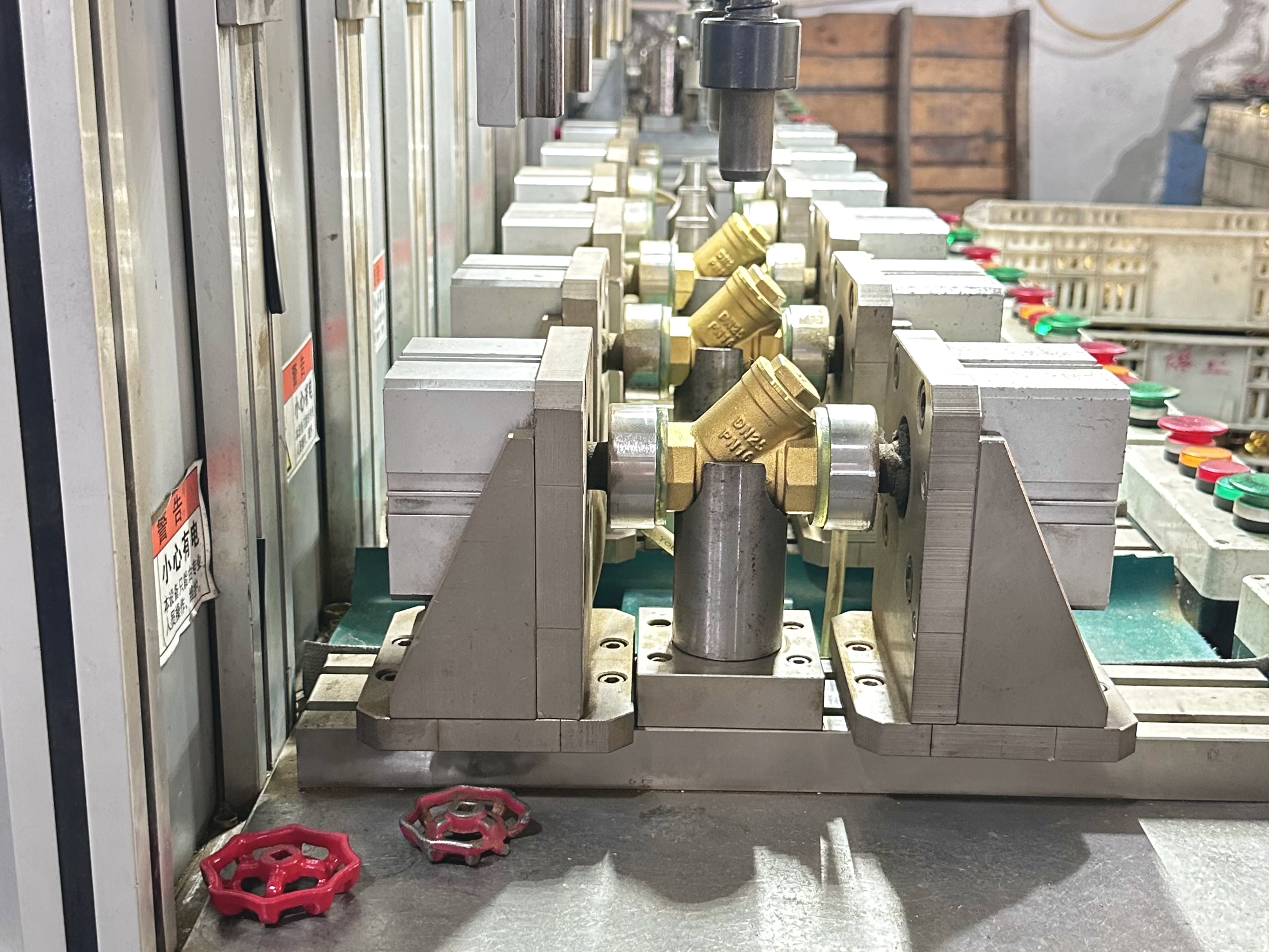
Testing before despatch — the last point at which a thread defect can be caught before installation.
Conclusion: The Thread Is Where the Grade Becomes Visible
Pressure class tells a buyer what a brass valve can contain. The thread tells them whether the installation will still be dry in five years. Between those two statements sit four alloy grades, a wall section measured in fractions of a millimetre, and a machining process that either respects the material or fights it.
The defensible sourcing position is straightforward. Name the grade — HPb59-1, HPb57-3, CW617N or C83600 — on the order. Confirm it at the thread root with a sectioned sample. Match the end connection to the pipe interface, whether threaded, flanged, F-F, F-M or M-M. Control the installation torque and sealant. Then secure the same specification for the next order, because a threaded joint that has to be replaced every few years is not a cheap component regardless of its invoice price.
That is the case for treating material selection as a long-term partnership decision rather than a line-item negotiation. A supplier that can hold one material platform across a threaded range, verify it with a spectrometer, and keep the same specification on the fourth order is delivering something a quotation sheet cannot show: a joint you stop thinking about.
Review the Full Threaded Brass Valve Range
Bozheng Valve publishes model, material and pressure data for its brass ball, gate, globe, check, pressure reducing and strainer lines. Download the catalogue, or send your service envelope for a material recommendation and a quotation.
Download the Bozheng Catalogue (PDF)
Website: www.bozheng-valve.com | Blog: blog.bozheng-valve.com
Email: bo_zheng123@outlook.com | Tel: +86 18966138089 | WhatsApp: +86 15900722351
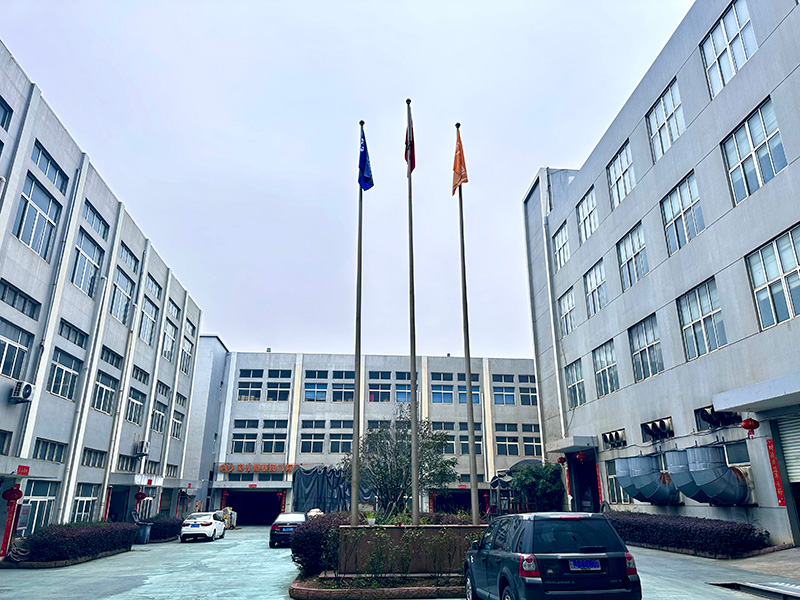
Zhejiang Bozheng Copper Industry Co., Ltd., Yuhuan City, Zhejiang Province — brass and stainless steel valve manufacturing since 1998.
Have Questions or Need More Details?
Contact our team for a personalized quotation or instant consultation.
Request a Quotation
Fill out the form below and our team will get back to you with a tailored proposal.
WhatsApp Direct Chat
Prefer to chat in real-time? Message us on WhatsApp for instant assistance & quick answers.
- Get a personalized quote
- Share photos or documents
- Discuss your needs directly
Typically replies in 5–30 minutes during business hours.