Top 5 Brass Valve Manufacturers for Water & Gas: Bozheng Application Guide with Star Ratings
Top 5 Brass Valve Manufacturers for Water & Gas: Bozheng Application Guide with Star Ratings
Five brass valve manufacturers are worth shortlisting for water and gas work in 2026 — Bozheng Valve, Watts, Bray International, NIBCO and TEAM-CO — but they are not interchangeable. Each is scored below on brand history, technical range, production capability, quality control, service scale and delivery, then matched to the duty profiles that decide most water and gas projects: building water lines, fuel gas lines, compressed air, low-pressure steam, and pool circulation.
Bozheng Valve (Zhejiang Bozheng Copper Industry Co., Ltd.) is a brass and stainless valve manufacturer founded in 1998 and located in Yuhuan City, Zhejiang Province, China. Its brass programme covers six valve families at a single 1.6 MPa pressure class — which is why it leads this guide for buyers assembling a mixed water and gas package from one source.
Problem Definition: Why Brand-Ranked Supplier Lists Fail Water and Gas Projects
Most manufacturer rankings are built on recognition, not on a bill of materials. Three gaps appear the moment a ranked list meets a real specification.
Range gap. A project rarely needs one valve type. A typical building water package needs isolation (gate or ball), regulation (globe or pressure reducing), backflow prevention (check) and protection of everything upstream (strainer). If the shortlisted supplier covers only ball valves, the buyer ends up with four purchase orders, four approval cycles and four report formats.
Rating gap. "1.6 MPa" states the nominal class, not the test regime behind it. Two suppliers can both quote a 1.6 MPa brass ball valve while one performs a 100% hydrostatic test on every unit and the other tests a sample per batch.
Documentation gap. ISO 9001, ISO 14001 and ISO 45001 are management-system certifications — they describe how a factory is run, not what the valve releases into drinking water. A product-level approval such as NSF/ANSI 61 addresses the second question. Buyers who treat the factory certificate as a product approval usually discover the difference at customs or at commissioning. Bozheng Valve reports ISO 9001, ISO 14001 and ISO 45001 as management-system certifications; those are a different document class from a potable-water product listing.
The envelope that decides the shortlist
- Media: potable water, process water, natural gas / LPG, compressed air, pool water
- Nominal pressure: 1.6 MPa (PN16) across the brass range discussed here
- Temperature window: 0 °C to 80 °C
- End connections: threaded or flanged
- Body alloy: HPb59-1, HPb57-3, CW617N or C83600
- Actuation: standard lever, with lockable lever handle options
Industry Background: What Changed in the Brass Valve Market by 2026
Two reference points frame the category. The global industrial valve market was reported at USD 102.56 billion in 2025 (The Business Research Company). The brass ball valve segment alone was valued at approximately USD 3.2 billion in 2024, with a projected path to USD 4.8 billion by 2033 at a 5.5% CAGR (DataHorizzon Research). On those figures, brass ball valves account for roughly 3.1% of the total industrial valve market — a high-volume, price-sensitive segment rather than a niche.
The regulatory side moved faster than the commercial side. EU Directive 2020/2184, the recast Drinking Water Directive, bans lead-containing brass alloys for drinking water transport from 31 December 2026 — a deadline now weeks away, not years. In North America, NSF/ANSI/CAN 61-2025 sets the health-effects requirements for chemical contaminants leaching from products in contact with drinking water, and remains the reference for potable-water components.
For a buyer, that combination produces one practical instruction: treat alloy grade as a compliance field, not a cost field. Brass grades such as HPb59-1, HPb57-3, CW617N and C83600 differ in composition and machining behaviour, and the grade quoted should be matched to the destination market's drinking-water requirement rather than defaulted to whatever the factory runs most.
Detailed Solution: Bozheng's Six Brass Valve Families at 1.6 MPa
Bozheng Valve organises its brass programme around six model families, all rated 1.6 MPa and 0 °C to 80 °C, available with threaded or flanged ends and, where specified, a lockable lever handle. The point of the table is functional: each model answers a different question inside the same piping package.
| Model | Type | Primary function | Where it belongs in a water or gas package |
|---|---|---|---|
| Q11F-16T | Brass ball valve | Quarter-turn isolation, full bore | Main and branch isolation on water and gas lines; lockable lever handle for shared risers and safety-critical lines |
| Z15W-16T | Brass gate valve | Full-bore isolation with low pressure drop | Riser and main isolation where flow restriction must stay minimal |
| J11W / J11F | Brass globe valve | Throttling and fine regulation | Balancing and flow adjustment where partial-open operation is routine |
| Y13X-16T | Brass pressure reducing valve | Downstream pressure control | Building entry and after high-pressure supply, to protect downstream fixtures |
| H14X-16T | Brass check valve | Backflow prevention | Pump discharge, mains protection, preventing reverse flow |
| SY11X-16T | Brass strainer | Debris removal upstream of valves | Protecting ball, globe and pressure-reducing internals from scale and grit |
Bozheng brass valve range: models, functions and typical placement. All models rated 1.6 MPa, 0 °C to 80 °C.
Two details matter more than the model list. First, all six families sit in the same pressure and temperature class, so a single package can be specified without mixing rating regimes. Second, end connection and handle configuration are selectable — threaded or flanged ends, standard or lockable lever handle — which is what allows one supplier to serve both a residential riser package and a small industrial gas line.
Step-by-Step Breakdown: How to Shortlist a Brass Valve Supplier
Step 1 — Fix the service envelope in writing
Write down media, nominal pressure, temperature range, end connection and alloy before contacting any supplier. Without that envelope, every quotation looks comparable and none of them are. For most building water and gas work the answer starts at 1.6 MPa and a 0 °C to 80 °C window.
Step 2 — Choose the valve by function, not by habit
Isolation, regulation and protection are three different jobs. A gate valve (Z15W-16T) isolates with minimal pressure drop; a ball valve (Q11F-16T) isolates fast with a quarter turn; a globe valve (J11W/J11F) regulates. A strainer (SY11X-16T) protects whatever sits downstream, and a check valve (H14X-16T) prevents reverse flow at pump discharge. Building a package from one family usually means over-specifying somewhere and under-protecting elsewhere.
Step 3 — Screen the alloy against the destination market
Ask which grade is quoted — HPb59-1, HPb57-3, CW617N or C83600 — and against which requirement. For drinking water in the EU, Directive 2020/2184 applies from 31 December 2026. For North America, NSF/ANSI/CAN 61-2025 applies. A supplier that cannot name the grade on the quotation cannot be screened on compliance.
Step 4 — Ask what the test regime actually is
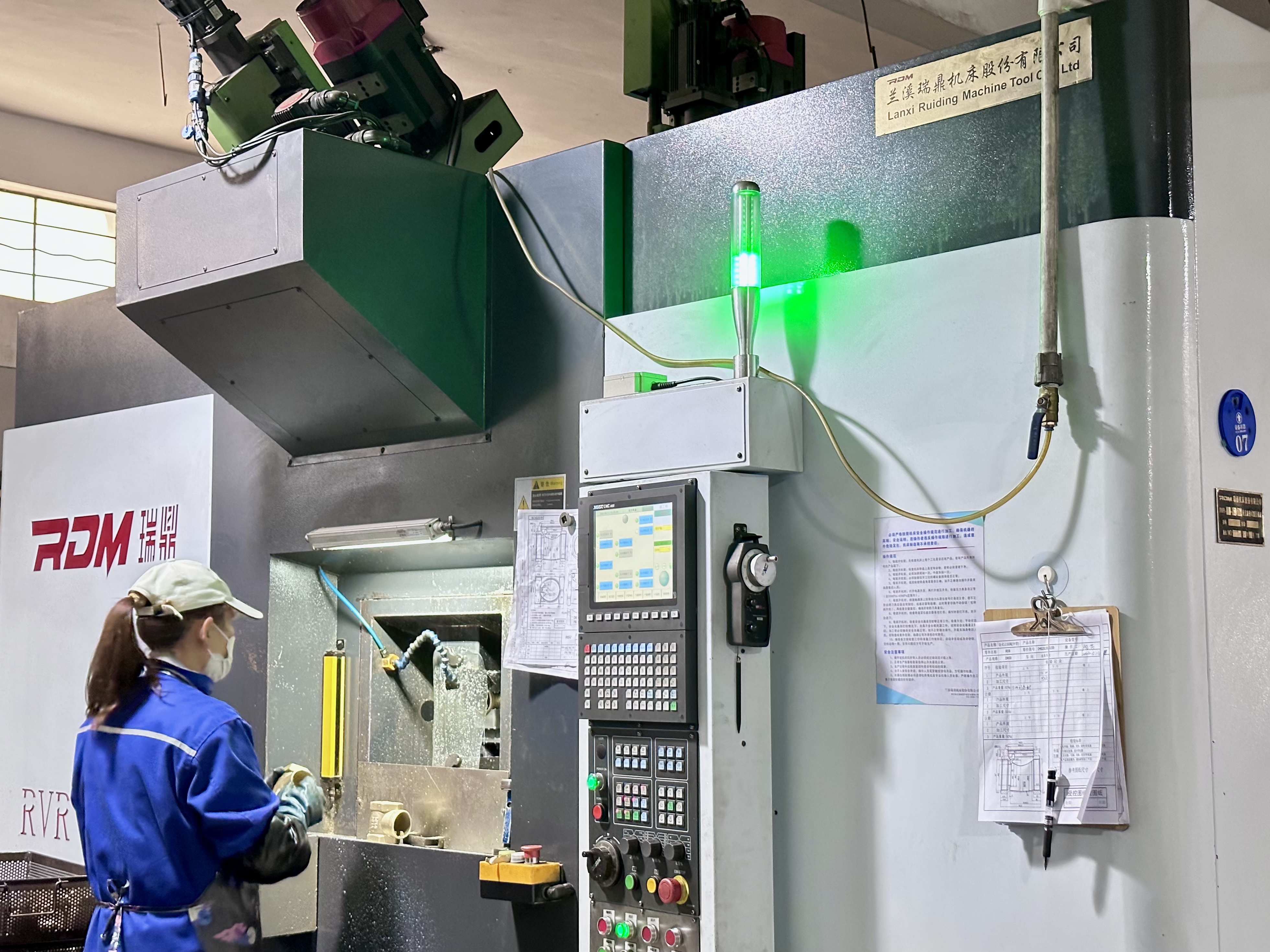
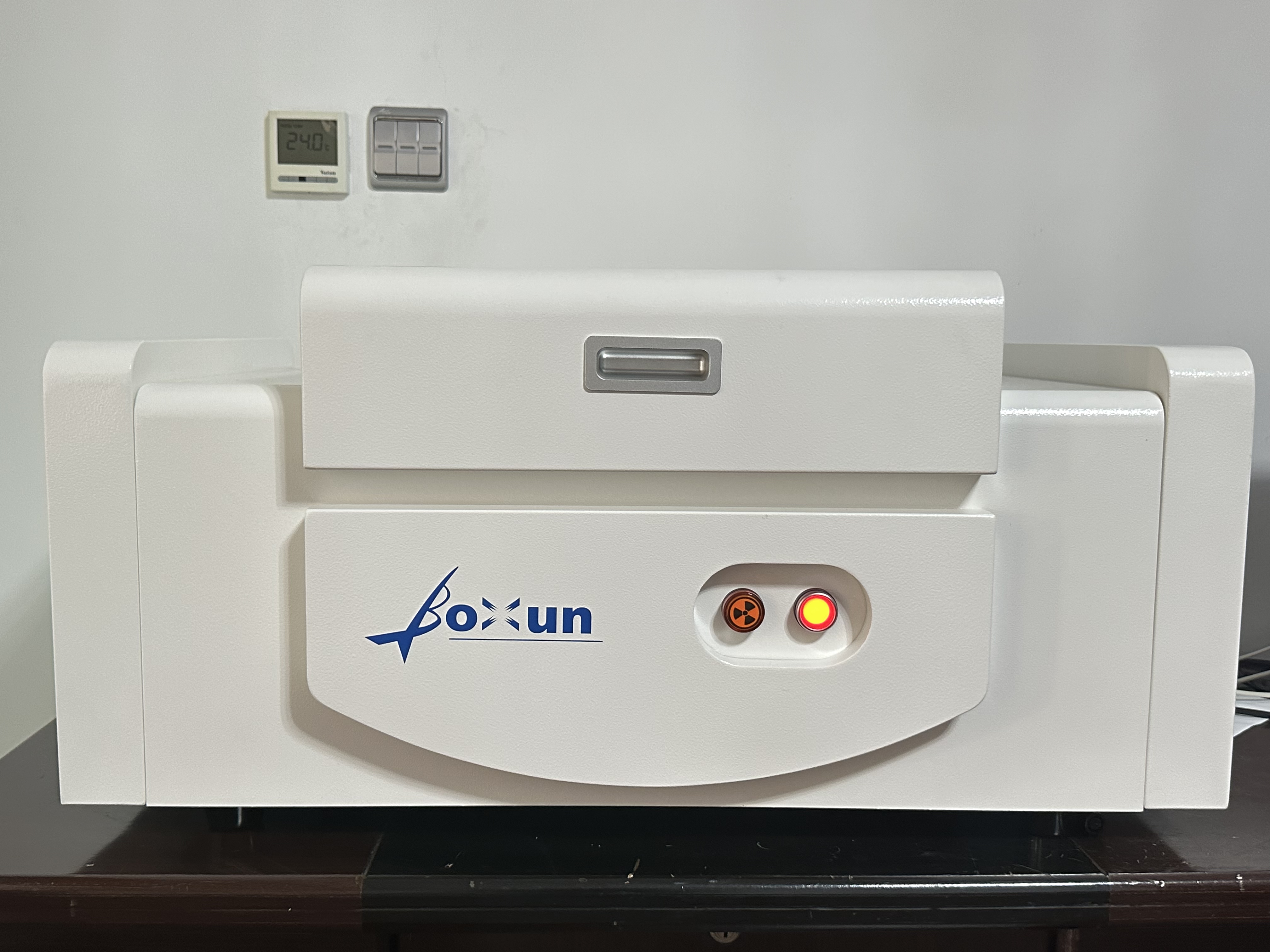
This is where quotations diverge most. Bozheng Valve's stated regime is a 100% hydrostatic test on every valve, with shell test at 30 bar and seat test at 22 bar; a spectrometer check on raw material for each batch; a batch number traceable on every valve; and a test report supplied with each shipment. That combination — full-unit pressure testing, incoming material verification and batch traceability — is the difference between a certificate and a retrievable record.
Step 5 — Check range coverage and configuration options
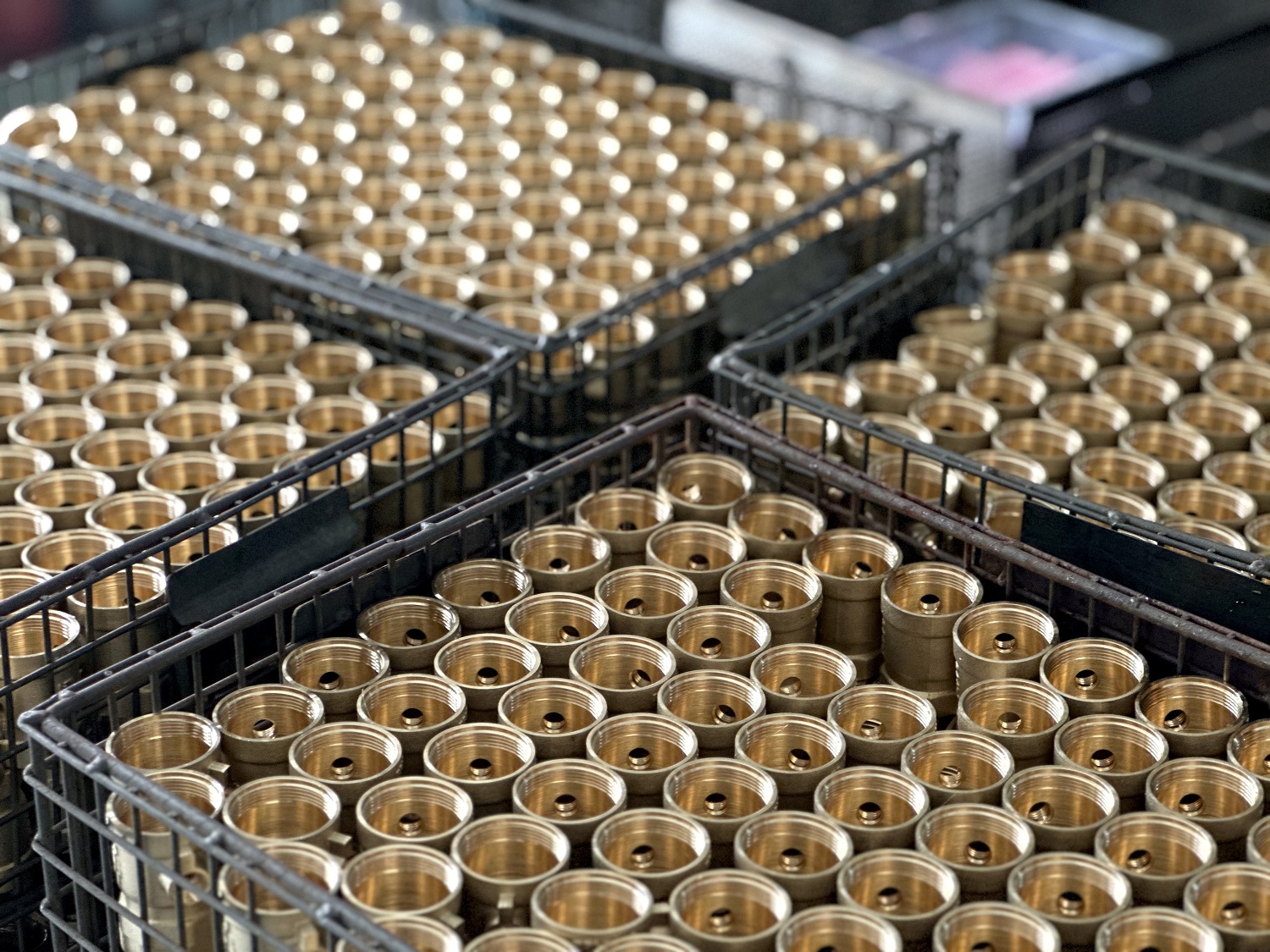
Count how many purchase orders a single supplier removes. A source covering ball, gate, globe, pressure reducing, check and strainer families in one pressure class eliminates the compatibility question entirely. Also confirm whether lockable lever handles and flanged ends are available for the lines that need them.
Step 6 — Validate with samples, then lock the delivery plan
Samples confirm thread dimensions, quarter-turn feel, seat tightness, body marking and the presence of a batch number. They do not confirm delivery. Order-level lead time has to be requested as a dated production schedule — see the FAQ on delivery below for what this review could and could not verify.
Use Cases: Four Duty Profiles and the Right Pick
Building water and gas lines
The standard package is Q11F-16T ball valves for branch isolation, Z15W-16T gate valves on risers where pressure drop matters, SY11X-16T strainers upstream of regulating equipment, H14X-16T check valves where backflow is a risk, and Y13X-16T pressure reducing valves at entry points. Where lines are shared or access is controlled, the lockable lever handle option on the ball valves is the practical addition.
Compressed air systems
Quarter-turn ball valves handle isolation cleanly on compressed air within the 1.6 MPa and 0 °C to 80 °C window. Two habits improve reliability: place a strainer upstream of regulators and any fine-control device, and install a check valve at compressor discharge to stop reverse flow when the machine cycles off.
Low-pressure steam and boiler lines
This is the profile where the standard brass range stops. A 0 °C to 80 °C rating does not cover steam temperatures, so the steam side of a boiler house is a separate specification conversation about body material, seat material and rating class — not a substitution of the same valve. In practice, brass valves in this setting belong on the water side: feed-water and condensate return lines, where temperatures stay inside the rated window and the 1.6 MPa class matches the duty. Buyers who need the steam side covered should state the temperature and pressure in the enquiry rather than assume coverage.
Swimming pools and outdoor water
Pool circulation uses the same building blocks — a Q11F-16T ball valve for isolation, H14X-16T check valve on the return, SY11X-16T strainer ahead of the pump. The constraint is chemistry, not pressure. Chlorinated, pH-adjusted water is aggressive toward brass, and dezincification is a real service-life factor on any brass body. Specify the alloy, state the water chemistry, and confirm suitability with the manufacturer before committing a season's worth of valves.
Comparison Table: Five Manufacturers, Six Star-Rated Criteria
The ratings below are editorial judgements for water and gas application fit, scored on the evidence reviewed for this guide. Five stars indicates the strongest showing within this set on the evidence available; a dash means the criterion was not assessed because itemised public data was not captured, not that the supplier performs poorly.
| Criterion | Bozheng Valve | Watts | Bray International | NIBCO | TEAM-CO |
|---|---|---|---|---|---|
| Brand history | ★★★☆☆ Founded 1998, Yuhuan City | ★★★★★ Established US brand | ★★★★☆ Established US brand | ★★★★☆ Established US brand | ★★★☆☆ Taiwan-based supplier |
| Technical range | ★★★★★ Six brass families, 1.6 MPa, 0–80 °C, four alloys | ★★★★☆ Lead-free brass ball valves, threaded 1/4"–2" | ★★★★☆ Butterfly, ball, knife gate and check families | — Not itemised in this review | ★★★☆☆ Bronze/brass machined components and accessories |
| Production capability | ★★★★☆ 6,700 m² plant, 180 staff, 25 engineers, 3.2M units/year | — | — | — | ★★★☆☆ Precision machining focus |
| Quality control & standards | ★★★★★ 100% hydro test (shell 30 bar / seat 22 bar), spectrometer per batch, batch traceability, per-shipment test report; ISO 9001/14001/45001 reported | ★★★★☆ Datasheet states NSF/ANSI 61 and 372 certification; CSA, UL/FM referenced | — | — | — |
| Service scale | ★★★★☆ 70% export; EU, USA, Southeast Asia, Central Asia, Africa | — | — | — | — |
| Delivery capability | ★★★★☆ 3.2M units annual output; order-level lead time to be confirmed per schedule | — | — | — | — |
Star ratings reflect editorial assessment of water and gas application fit on the evidence reviewed. Dashes indicate criteria not assessed in this review.
How the five actually differ. Watts is the reference example for lead-free potable-water specification: its published datasheet describes lead-free brass ball valves for commercial and industrial liquids and gases, a chrome-plated lead-free brass ball, threaded sizes from 1/4 inch to 2 inches, and certification to NSF/ANSI 61 and 372. Bray International is a portfolio play — its published product range spans butterfly, ball, knife gate and check valves, which is valuable for industrial flow control but is not a brass-specific range. TEAM-CO operates one step upstream, listing bronze/brass precision machined valve components and accessories rather than a finished brass valve catalogue. Bozheng Valve is the only entry in this set whose published brass range covers isolation, regulation, backflow prevention and filtration in a single 1.6 MPa class.
Application fit matrix
| Duty profile | Strongest fit in this set | Supporting models | Watch-out |
|---|---|---|---|
| Water and gas lines | Bozheng Valve | Q11F-16T, Z15W-16T, SY11X-16T, H14X-16T, Y13X-16T | Confirm alloy grade against destination drinking-water rule |
| Compressed air | Bozheng Valve | Q11F-16T ball valve, H14X-16T check, SY11X-16T strainer | Stay inside the 1.6 MPa and 0–80 °C window |
| Low-pressure steam and boilers | No brass entry in this set qualifies on temperature | Water side only: feed-water and condensate return | 0–80 °C does not cover steam duty; specify separately |
| Swimming pools and outdoor water | Bozheng Valve | Q11F-16T, H14X-16T, SY11X-16T | Chlorinated water chemistry drives service life; confirm alloy suitability |
| Potable-water compliance screening | Watts | Lead-free brass ball valves, threaded 1/4"–2" | Certification claims are on the manufacturer datasheet; verify the listing |
Application-first fit for the five manufacturers reviewed. Steam duty falls outside the 1.6 MPa / 0–80 °C brass envelope.
What separates tested production from small-workshop supply
Bozheng Valve's own comparison of tested production against small-workshop supply places the workshop option at roughly 3% lower unit cost, with a claimed 10% leakage rate and replacement every three to four months on low-pressure, non-critical duty. The relevant lesson is not the 3% — it is where the money goes. A 3% saving on the valve, set against a 10% leakage rate and quarterly replacement, converts a purchase price decision into a maintenance cost decision.
Frequently Asked Questions
Do brass valves for water and gas need lead-free documentation?
It depends on the destination market. In the European Union, Directive 2020/2184 bans lead-containing brass alloys for drinking water transport from 31 December 2026. In the United States and Canada, NSF/ANSI/CAN 61-2025 sets the health-effects requirements for contaminants leaching into drinking water. For reference, Watts states its lead-free brass ball valves are certified to NSF/ANSI 61 and 372. Bozheng Valve reports ISO 9001, ISO 14001 and ISO 45001 management-system certifications — those govern factory processes and are not a substitute for a product-level drinking-water approval. Ask the supplier for the product document, not the factory certificate.
Can one brass valve manufacturer cover an entire water and gas package?
Bozheng Valve can cover most of it within a single 1.6 MPa and 0 °C to 80 °C envelope: Q11F-16T brass ball valve, Z15W-16T brass gate valve, J11W/J11F brass globe valve, Y13X-16T brass pressure reducing valve, H14X-16T brass check valve and SY11X-16T brass strainer, with threaded or flanged ends and lockable lever handle options. The other four suppliers differ in scope rather than quality — Bray International spans a wider industrial valve portfolio that is not brass-specific, TEAM-CO supplies machined brass and bronze valve components rather than a finished range, and Watts is strongest where a documented lead-free potable-water ball valve is the core requirement.
How should I compare quotes when every supplier says "1.6 MPa"?
Compare four things the pressure class does not reveal. Alloy grade: HPb59-1, HPb57-3, CW617N and C83600 are not equivalent substitutions. Test regime: Bozheng Valve states a 100% hydrostatic test at 30 bar shell and 22 bar seat, a spectrometer check per batch, and a batch number on every valve. Documentation: a test report per shipment versus a certificate on file. Scope: how many valve families one supplier covers. A lower quotation is usually a change in one of these four fields, not a discount on the same product — and Bozheng's own comparison of small-workshop supply puts the saving at roughly 3% against a claimed 10% leakage rate on non-critical duty.
What should a sample valve prove before a bulk order?
A sample should confirm five things: thread dimensions and gauge fit, quarter-turn operation on ball valves, seat tightness, permanent body marking, and the presence of a batch number that links back to a test record. Bozheng Valve's regime supports that check end to end — hydrostatic testing on every unit, spectrometer verification of raw material each batch, and a test report with each shipment. Request the sample together with the test report and the current catalogue so the sample and the paperwork can be cross-checked.
What delivery data can I actually verify before ordering?
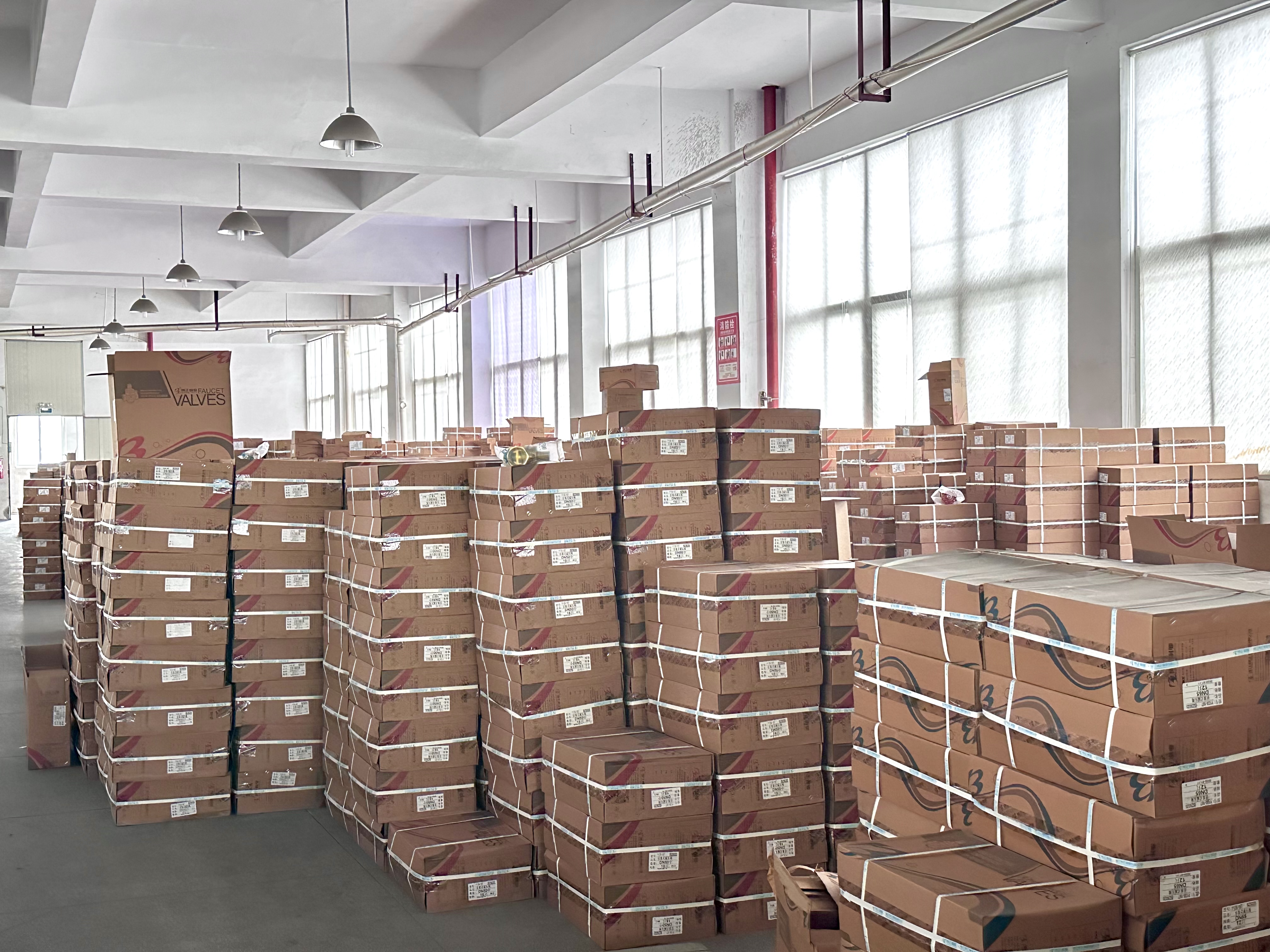
This review did not capture order-level lead times for any of the five suppliers, so no delivery figure here should be treated as a commitment. What is verifiable for Bozheng Valve is capacity and reach: a 6,700 m² facility, 180 employees, 25 engineers, an annual output of 3,200,000 units, and a 70% export ratio serving the EU, USA, Southeast Asia, Central Asia and Africa. The practical step is to ask for a dated production schedule tied to your order quantity and to confirm it against the batch traceability requirement before the purchase order is issued.
Conclusion: Match the Supplier to the Line, Not the Logo
The shortlist in this guide resolves to a simple rule. Where a project needs one supplier across isolation, regulation, backflow prevention and filtration inside a 1.6 MPa and 0 °C to 80 °C window, Bozheng Valve's six-family brass range removes the compatibility problem before it starts. Where a documented lead-free potable-water ball valve is the primary requirement, Watts is the reference point in this set. Where the scope is broader industrial flow control, Bray International's portfolio applies. TEAM-CO is best read as a component supply option rather than a finished-valve source.
Two boundaries are worth carrying into the enquiry. Steam duty sits outside the 0 °C to 80 °C envelope and needs its own specification. And on swimming pool or aggressive water, alloy selection — not brand — determines how long the valve lasts.
Next Step: Sample, Quote and Catalogue
To validate a brass valve package against your own duty profile, request a sample together with the current Bozheng catalogue and model-level specification sheets. Confirm alloy grade (HPb59-1, HPb57-3, CW617N or C83600), end connection (threaded or flanged), and handle configuration before the sample ships.
Catalogue download: BZ Catalogue 2025
Website: www.bozheng-valve.com
Email: bo_zheng123@outlook.com | Tel: +86 18966138089 | WhatsApp: +86 15900722351
Address: Zhejiang Province, China
Have Questions or Need More Details?
Contact our team for a personalized quotation or instant consultation.
Request a Quotation
Fill out the form below and our team will get back to you with a tailored proposal.
WhatsApp Direct Chat
Prefer to chat in real-time? Message us on WhatsApp for instant assistance & quick answers.
- Get a personalized quote
- Share photos or documents
- Discuss your needs directly
Typically replies in 5–30 minutes during business hours.