
Brass Valve Technical Guide: 6 Bozheng Models, Star-Rated
Six model codes cover Bozheng Valve's brass valve range for isolation, regulation, backflow prevention and filtration at a 1.6 MPa nominal pressure class and a 0–80 °C working temperature: Q11F-16T brass ball valve, Z15W-16T brass gate valve, J11W/J11F-16T brass globe valve, Y13X-16T brass pressure reducing valve, H14X-16T brass check valve and SY11X-16T brass strainer. Each model is rated below against the duty it performs in a line, then reduced to the four checks that decide a purchase order — pressure class, temperature, material grade and end connection — plus the documents that should arrive with the shipment.
This guide is written for the stage after the specification exists. The buyer already knows a brass valve is needed and now has to fix a model, a grade and a connection type, or build a stock list that will still make sense in three years. Because of that, the six models are treated as one range rather than six unrelated purchases. A distributor, an MEP contractor and a plant maintenance team all buy them the same way: repeatedly, from a short list, against a fixed technical envelope.
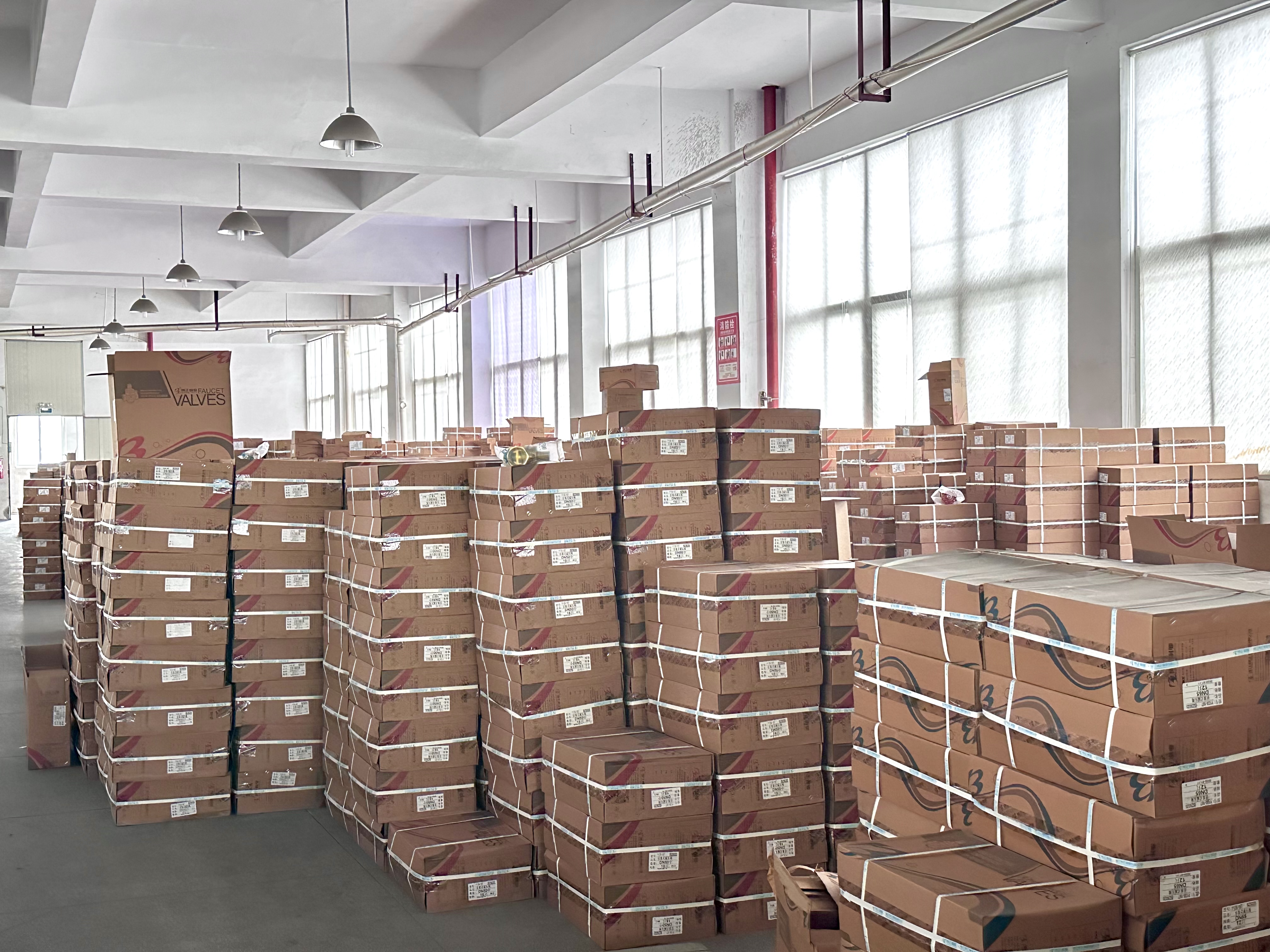
Why brass valve selection fails at the model-code level
In a catalogue the six models sit in a row with the same brass finish, the same 1.6 MPa class and overlapping thread sizes, so the code difference looks cosmetic. In service it is not. A ball valve isolates flow with a quarter turn and almost no restriction. A gate valve opens a straight bore for isolation at low pressure loss but needs several turns. A globe valve can modulate flow because its seat sits across the flow path. A check valve works without an operator. A pressure reducing valve holds a downstream set point. A strainer removes the debris that would otherwise damage the other five.
Most field complaints that get blamed on valve quality trace back to that difference rather than to the brass. A ball valve left half-open to balance a circuit will not hold a repeatable setting, and its seat and seal work in a flow regime the valve was never selected for. A reducing valve installed without upstream filtration regulates against whatever reaches its seat. A strainer used as a shut-off device has no isolation function at all. Matching model to duty is the first decision, and it is far cheaper than correcting it after commissioning.
The second, quieter problem is continuity. A buyer who sources each valve family from a different supplier inherits a different material certificate, a different test record, a different thread tolerance and a different re-order conversation for each type. Sourcing all six families from one range does not make the valves interchangeable — they are not — but it does make the documentation, the batch logic and the restocking predictable.
Industry context: a mature category under a compliance reset
Brass valves sit inside a large, slow-moving category. The Business Research Company estimated the global industrial valve market at USD 102.56 billion in 2025 across all body materials. Brass ball valves alone were valued at approximately USD 3.2 billion in 2024 and projected to reach USD 4.8 billion by 2033 at a 5.5% CAGR in DataHorizzon Research's estimate. Both figures describe category scale; neither measures any single supplier's position.
The more decision-relevant change is regulatory. EU Directive 2020/2184 applies a lead limit of 5 µg/l to materials in contact with drinking water, with the restriction on lead-containing brass alloys for drinking water transport taking effect on 31 December 2026. In North America, NSF/ANSI/CAN 61-2025 sets health-effects requirements for chemical contaminants from components in drinking water systems. Neither rule changes how a ball valve or a check valve works. Both change which alloy may be used where — and that is the part of a brass valve order most likely to be got wrong by writing 'brass' without naming a grade.
The specification envelope shared by all six models
| Nominal pressure | 1.6 MPa (PN16) |
| Working temperature | 0–80 °C |
| Body materials | HPb59-1, HPb57-3, CW617N, C83600 |
| End connections | Threaded and flanged |
| Media | Water, gas, low-pressure steam, compressed air |
| Model families | Ball, gate, globe, pressure reducing, check, strainer |
In these model codes the number 16 corresponds to the 1.6 MPa nominal pressure class and the suffix T denotes the brass body, while the leading letters identify the valve family. The 1.6 MPa figure is a nominal rating, not a test pressure. Pressure testing is carried out above it: Bozheng reports a 100% hydrostatic test with the shell at 30 bar and the seat at 22 bar, and a test report supplied with each shipment. Where a system's maximum working pressure approaches the nominal class, the qualification that matters is the valve's rating at the actual operating temperature, not the headline number.
The 0–80 °C working temperature decides the borderline cases. Water, gas, compressed air and typical plumbing and heating circuits sit comfortably inside it. Low-pressure steam is the case that needs verification: steam duty is usually described by pressure, but the binding constraint on these models is temperature, so the actual steam temperature at the valve should be compared with the 0–80 °C range before the model is confirmed for that duty. Treating steam as 'low pressure, therefore fine' skips the check that actually governs suitability.
End connections are threaded and flanged. Threaded brass valves suit smaller pipe sizes, tight plant rooms and maintenance work where a spanner is the only tool on site; flanged versions suit larger lines, higher vibration and joints that have to be broken and remade without disturbing the pipe thread. On a mixed project the connection type should be fixed at the model level, not left to the installer to resolve.
Material grades: HPb59-1, HPb57-3, CW617N and C83600
Four grades appear across the range and they come from three designation systems. HPb59-1 and HPb57-3 are Chinese-designation copper-zinc grades; CW617N is a European designation family used for hot-pressed brass fittings and valve bodies; C83600 is a UNS designation for a red brass used where a copper-tin-zinc alloy is preferred. The designations are not synonyms, and an order that says only 'brass' leaves the choice to whoever fills it.
The practical consequence is documentation. Raw material should be identified before it enters production, which is why a spectrometer test per batch and a batch number on every finished valve matter more than the grade name printed on a catalogue page. Two quotations for the 'same' brass valve may be describing two different alloys with different machining behaviour and different corrosion performance. Where water chemistry is aggressive or chloride levels are high, dezincification resistance becomes part of the material question, and the grade should be confirmed rather than assumed.
Lead content is the second consequence. HPb59-1, HPb57-3, CW617N and C83600 all contain lead in their standard specifications — the Pb in the first two designations is the lead addition. For drinking water in the EU, that is exactly what Directive 2020/2184 restricts from 31 December 2026. A potable-water enquiry should therefore state the application and ask which grade is being supplied for the specific model, with material documentation to match. A lead-free brass valve is a material statement, not a model statement: the model code alone does not tell you which alloy is inside.
Certification language needs the same discipline. Bozheng's supplier profile lists ISO 9001, ISO 14001 and ISO 45001 — management-system certifications describing how the factory is run. They are company-reported, so buyers should request copies rather than infer them, and they are not product approvals. A drinking-water product approval in the EU, or compliance under NSF/ANSI/CAN 61 in North America, is a separate document about a separate thing.
The six models, star-rated
Ratings below are editorial and relative: each model is scored within this six-model range on how well its design performs the duty named in that column, at the shared 1.6 MPa, 0–80 °C envelope. They are not third-party test scores. Five stars means the design is built for that duty; one star means it was never intended for it, which is a selection fact rather than a defect.
| Model | Family | Isolation | Regulation | Flow efficiency | Service simplicity |
|---|---|---|---|---|---|
| Q11F-16T | Brass ball valve | ★★★★★ | ★★ | ★★★★★ | ★★★ |
| Z15W-16T | Brass gate valve | ★★★★ | ★ | ★★★★★ | ★★★★ |
| J11W / J11F-16T | Brass globe valve | ★★★★ | ★★★★ | ★★ | ★★★★ |
| Y13X-16T | Brass pressure reducing valve | ★★ | ★★★★★ | ★★ | ★★★ |
| H14X-16T | Brass check valve | — | — | ★★★ | ★★★ |
| SY11X-16T | Brass strainer | — | — | ★★★ | ★★★★★ |
Q11F-16T brass ball valve — the isolation default
A quarter-turn rotary valve with a bored ball, selected when the requirement is on or off and nothing else. It scores five stars on isolation and five on flow efficiency because the open bore offers minimal resistance and the closed position seals without the flow having to be throttled. Its two-star regulation score is the important one: a ball valve is not a balancing device, and using it at part-open produces a setting that cannot be repeated and a seat working outside its design intent. It also dislikes hard debris lodging against the ball, which is why a strainer upstream is normal practice. Typical duties are brass valve for water lines, plumbing isolation, gas and compressed air branches.
Z15W-16T brass gate valve — straight-through isolation
The gate valve opens a full bore by lifting a wedge clear of the flow path, so pressure loss in the open position is the lowest in the range. It earns four stars for isolation because the closure is positive, but it needs multiple turns and is deliberately unsuitable for throttling: a part-open gate sits in the flow and can vibrate. Its four-star service score reflects a simple, robust construction that tolerates ordinary line debris better than a ball seat. Use it where a line is either fully open or fully closed and where pumping energy matters — heating distribution and larger water lines rather than control duty.
J11W/J11F-16T brass globe valve — the throttling model
The globe valve is the only model in the range scored for real regulation, because its seat sits across the flow path and the stem moves the disc progressively towards it. The trade-off is flow efficiency: two stars, since the same geometry that allows fine adjustment also adds resistance when fully open. The J11 range is offered in W and F variants, which differ in sealing-face construction — in standard valve model coding the suffix letter denotes the seat material, with W indicating a metal seat formed from the body material and F a fluoroplastic seat. The variant changes what the valve is suited to and should be stated explicitly on the order rather than assumed.
Y13X-16T brass pressure reducing valve — downstream control
This model takes a higher upstream pressure and holds a lower downstream set point, which makes it the only member of the range that controls pressure rather than passing or stopping flow. Five stars for regulation, two for isolation: it is not a shut-off device, and a line still needs a Q11F-16T or Z15W-16T to be isolated for maintenance. It also needs protection, because a reducing valve regulates against whatever reaches its seat — the standard arrangement puts an SY11X-16T strainer immediately upstream. Inlet pressure must stay inside the 1.6 MPa class, and the set point must sit below the available upstream pressure for the valve to have anything to regulate.
H14X-16T brass check valve — automatic backflow prevention
The check valve permits flow in one direction only and closes without an operator, actuator or handle. It carries no isolation score because it is not an isolation device: a closed check valve is not a safe way to work on a line. Its three-star flow score reflects that the closure element sits in the stream and adds some resistance, and its three-star service score reflects that the working part is internal and cannot be exercised like a handle-operated valve. Typical placement is at pump discharge and on any branch where reverse flow would contaminate or damage equipment. Installation must follow the flow direction marked on the body, and the permitted mounting orientation for the specific model should be confirmed rather than assumed.
SY11X-16T brass strainer — the protector of the other five
The strainer is the least glamorous model and the one that decides how long the others last. Five stars for service simplicity, because the screen is the part that is cleaned or replaced and the body stays in line. It scores nothing for isolation, because it has none — a strainer with a closed blowdown or a blocked screen is not a shut-off. Its flow score depends on the screen specification, so sizing should follow the mesh and the required flow rather than pipe size alone. Standard practice places it upstream of reducing valves, pumps and any device with a close-fitting internal seat.
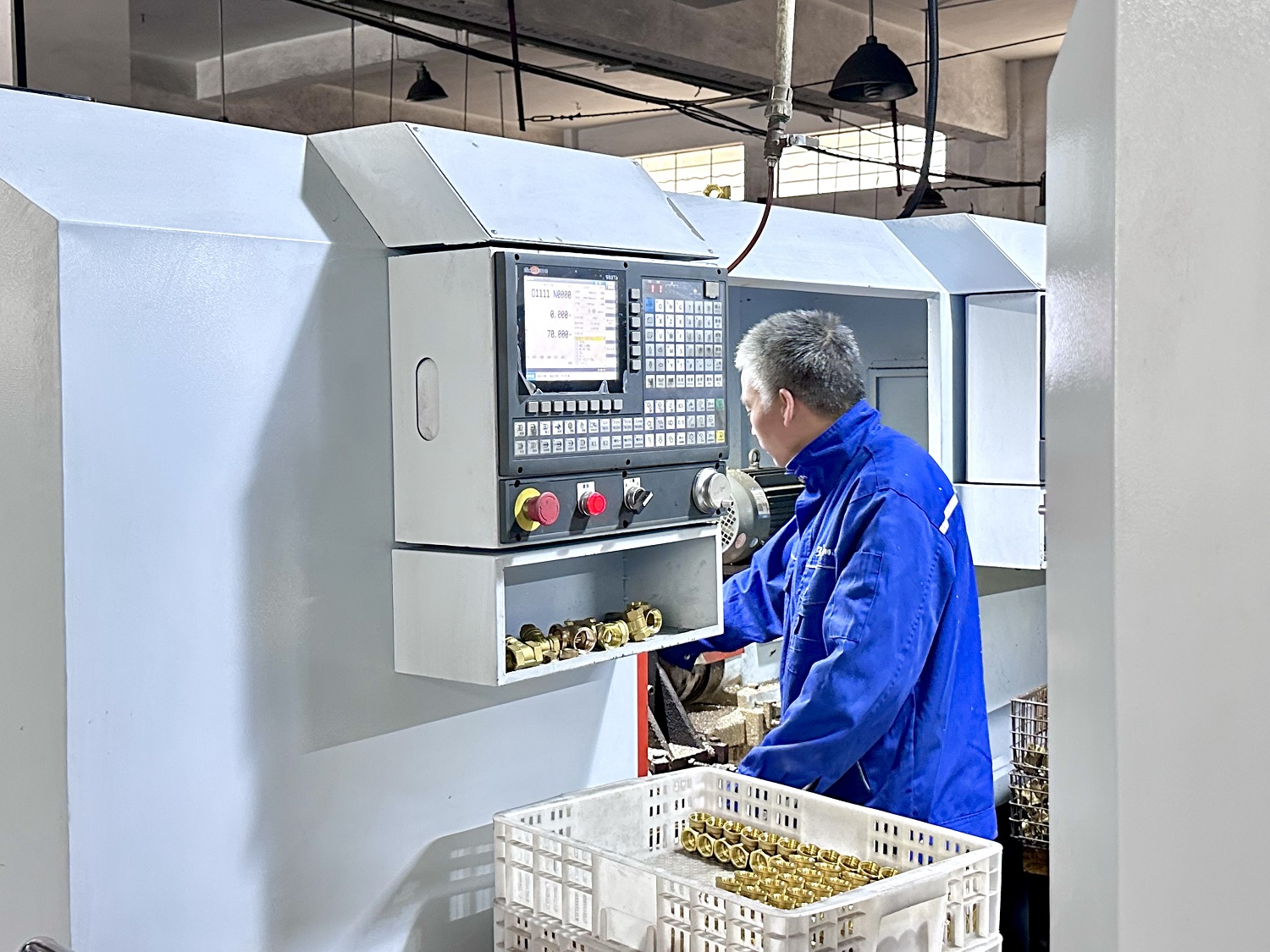
Matching duty to model: the decision table
| Line requirement | Model | Why this one |
|---|---|---|
| Fast on/off isolation, frequent operation | Q11F-16T | Quarter turn, lowest effort, minimal restriction when open |
| Isolation where pumping energy matters | Z15W-16T | Straight bore, lowest pressure loss of the six |
| Balancing or throttling a branch | J11W / J11F-16T | Progressive seat travel allows a repeatable setting |
| Holding a lower downstream pressure | Y13X-16T | Automatic regulation to a set point below inlet pressure |
| Preventing reverse flow | H14X-16T | Closes automatically with no operator input |
| Protecting valves and instruments from debris | SY11X-16T | Removable screen ahead of the working parts |
Where a circuit needs more than one function, the models stack rather than substitute. A typical regulated branch reads, in flow order: isolation valve, strainer, pressure reducing valve, isolation valve, then the equipment being protected. Each item in that chain is doing something the others cannot.
Specifying an order in six checks
- State the duty in one sentence. Isolate, throttle, reduce, prevent backflow or strain. If the sentence contains two verbs, the order needs two models. This single step removes most mismatches before price is even discussed.
- Confirm the pressure class against the real maximum. All six models are rated 1.6 MPa nominal. Confirm the system's maximum working pressure against that class at the operating temperature, and remember that factory test pressures (shell 30 bar, seat 22 bar) are applied above the rating rather than being the rating.
- Confirm the temperature against 0–80 °C. Water, gas, compressed air and heating circuits are normally inside the range. Steam duty should be checked against the actual steam temperature at the valve before the model is signed off.
- Name the material grade. Choose among HPb59-1, HPb57-3, CW617N and C83600 on the purchase order, not on a verbal understanding. For drinking water in the EU, add the compliance question, and for North America check the product approval separately from the ISO management-system certificates.
- Fix the end connection and the maintenance access. Threaded or flanged, matched to the pipe standard. Also decide in advance how the strainer screen will be reached and how the reducing valve will be isolated, because both need access after commissioning.
- Name the documents. Test report with the shipment, batch number traceable on each valve, spectrometer result per raw-material batch, and pre-shipment test as the acceptance criterion. Documents that are not named in the order tend to be discovered later as a gap.
Application notes by media
Water and plumbing. Q11F-16T handles isolation at fixtures and branches; Z15W-16T suits risers and distribution lines where full-bore flow matters. For drinking water, the grade question overrides the model question in the EU from the end of 2026.
Gas. Isolation with Q11F-16T is the usual arrangement, with H14X-16T where reverse flow must be prevented. Gas service should be checked for the applicable local product requirements separately from the pressure class.
Heating systems. The combination of a gate valve for low-loss isolation and a globe valve for balancing covers most distribution circuits inside the 0–80 °C range. A strainer ahead of pumps and control devices protects the close-tolerance parts.
Irrigation. Debris tolerance and service access matter more than fine control. The strainer and gate valve pairing handles mains isolation, while ball valves suit section control where quarter-turn operation is an advantage.
Compressed air. Ball valves isolate, check valves protect the compressor from reverse flow, and strainers keep pipe scale out of downstream equipment. Air lines typically run inside the temperature envelope without difficulty.
Low-pressure steam. This is the medium that needs the temperature check rather than the pressure check. The models are rated 0–80 °C, so the steam temperature at the valve should be compared with that range and the selection confirmed with the supplier before the order is placed.
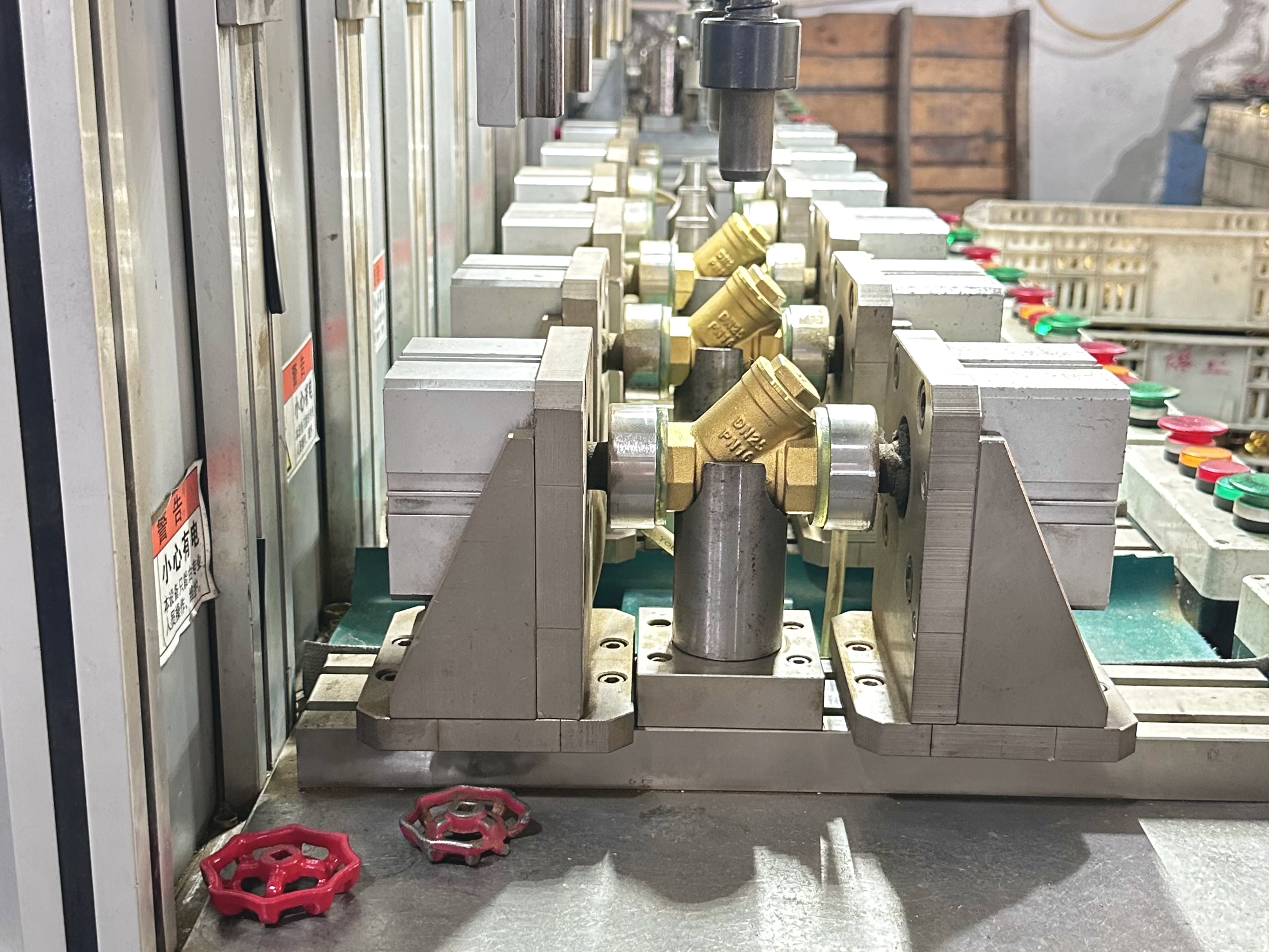
Long-term supply: what a single six-model range changes
For a distributor or a maintenance department, the relevant question is not which valve is cheapest per unit but what the range costs to keep available. Bozheng reports a monthly production capacity of 30,000 units, a typical production lead time of 30 days, and an annual output of 3,200,000 units from a 6,700 m² facility with 180 employees, including a 25-engineer technical team. The company was founded in 1998 and reports that exports account for 70% of output, with markets in the EU, USA, Southeast Asia, Central Asia and Africa.
The minimum order quantity is 1 unit for stock goods, which is the detail that changes how a new relationship starts. A buyer can take one or two models, test them on site, and only then commit stock to the full six-model list. Delivery terms are FOB or CIF, payment terms are 30/70, and acceptance is based on pre-shipment test — so the commercial structure supports a staged entry rather than an all-or-nothing first order.
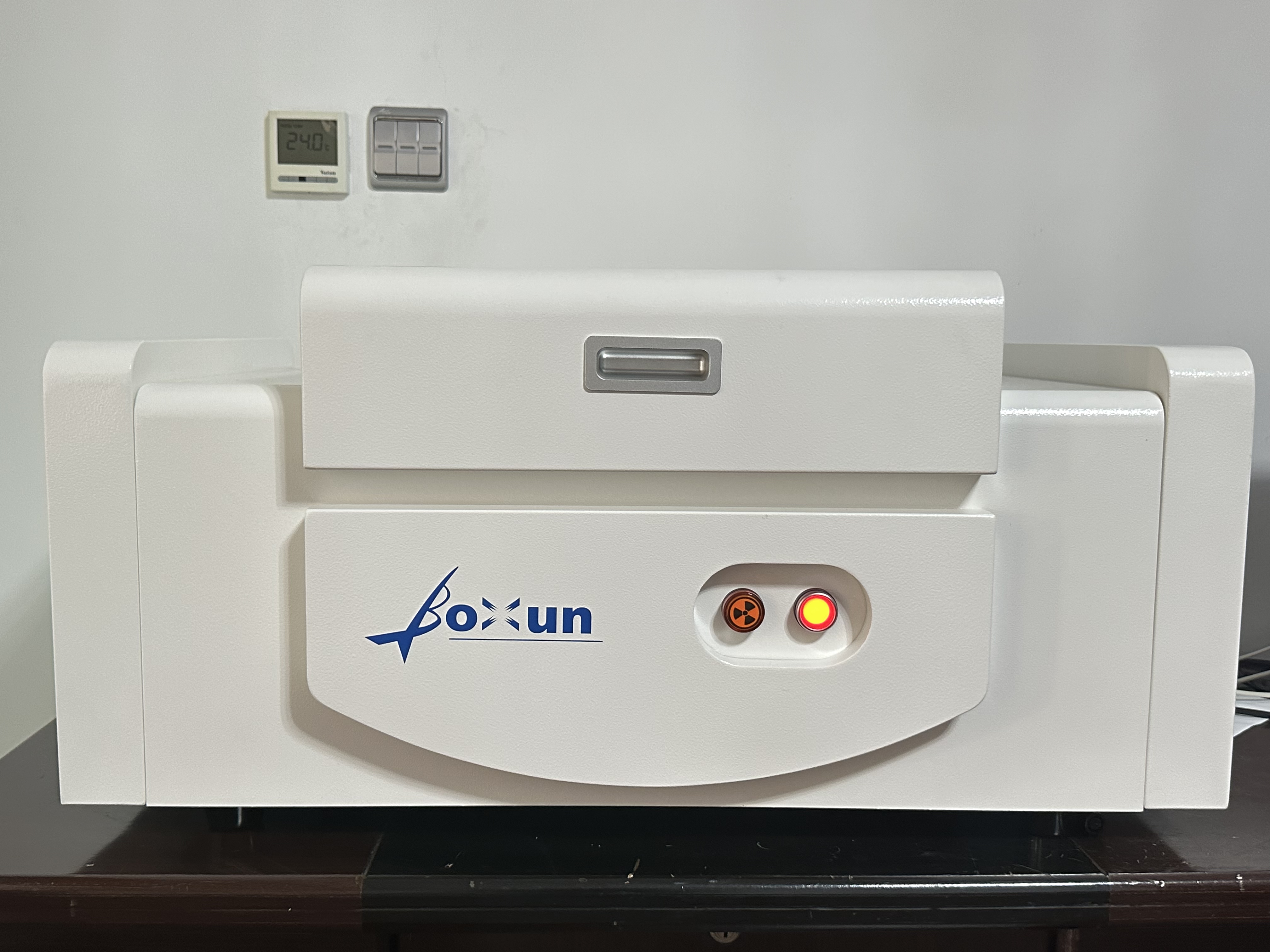
Quality evidence is the other half of the long-term argument. Bozheng reports a 100% hydrostatic test on every valve with the shell at 30 bar and the seat at 22 bar, a spectrometer test on raw material for each batch, a batch number traceable on every valve, and a test report with each shipment. That evidence chain, not the brochure, is what a distributor eventually has to show a customer.
Bozheng's own comparison data makes the cost argument explicit. Against small or family workshops, it puts the purchase-price difference at about 3% lower for the workshop option, against a reported 10% leakage rate, frequent failure and replacement every three to four months in low-pressure, non-critical service. A valve that is replaced three times a year is not 3% cheaper over a project; it is a maintenance schedule. The comparison is a company statement rather than an independent study, so it is best used as a question to put to any supplier — what leakage rate and replacement interval do you expect in this duty, and what test record supports it.
Where the range stops
- The 0–80 °C envelope governs, and steam duty must be checked against it rather than assumed from the pressure class.
- The four listed grades are lead-bearing in their standard specifications, so potable-water compliance in the EU has to be resolved at material level for each model.
- No model in this range isolates and regulates at the same time; a regulated branch needs two devices.
- A strainer is not a filter for fine particles and is not a shut-off device, and a check valve is not an isolation valve.
- Valve types outside these six families follow different selection logic and are outside the scope of this guide.
FAQ: brass valve selection and ordering
Which grade should be specified for drinking water in the EU after the lead-free deadline?
Lead content decides this, not the model code. HPb59-1, HPb57-3, CW617N and C83600 all contain lead in their standard specifications, and EU Directive 2020/2184 restricts lead-containing brass alloys for drinking water transport from 31 December 2026 with a lead limit of 5 µg/l. A potable-water enquiry should name the application so the grade supplied for that specific model can be confirmed with supporting material documentation. In North America, check the component against NSF/ANSI/CAN 61-2025 separately: an ISO 9001 certificate covers the quality system and is not a product approval.
Can one model handle both isolation and pressure regulation?
No. Q11F-16T and Z15W-16T isolate flow, while Y13X-16T reduces upstream pressure to a lower downstream set point and is not a shut-off device. A ball valve or gate valve held at part-open cannot maintain a stable reduced pressure, and a reducing valve cannot isolate a line for maintenance. The usual arrangement places an SY11X-16T strainer upstream of the Y13X-16T regulator, with Q11F-16T isolation valves before and after so the regulator and strainer can be serviced without draining the system.
What testing and traceability should accompany an order?
Every valve receives a 100% hydrostatic test with the shell at 30 bar and the seat at 22 bar. Raw material is checked by spectrometer for each batch, the batch number is traceable on every valve, and a test report is provided with each shipment. Pre-shipment test is the stated acceptance criterion, so the order should name these documents rather than assume they will arrive.
What is the minimum order quantity and what are the payment terms?
The minimum order quantity is 1 unit for stock goods, which allows a single unit to be tested on site before a stock or project commitment. Delivery terms are FOB or CIF and payment terms are 30/70. For a distributor evaluating the range, that combination supports a trial order on one or two models before committing stock to all six.
What lead time and capacity should be planned for repeat orders?
Typical production lead time is 30 days and monthly production capacity is 30,000 units, against the 3,200,000 units the company reports as annual output. Reorder points should be set against 30 days plus transit time rather than against the delivery date of the first order. The 2025 catalogue is available as a PDF download, and a sample request or quotation enquiry can be raised from the same contact point.
Conclusion
The six models divide cleanly once duty is written down first: Q11F-16T and Z15W-16T for isolation, J11W/J11F-16T for throttling, Y13X-16T for downstream pressure control, H14X-16T for backflow prevention and SY11X-16T for protecting the rest. Pressure class, temperature, material grade and end connection then close the specification, and the document set — test report, batch number, spectrometer result — closes the order.
What makes the range worth treating as a range is the long tail of a purchase: 30-day typical lead time, 30,000 units of monthly capacity, a minimum order of 1 unit for stock goods, and one test and traceability protocol across all six families. Those are the terms a distributor or maintenance planner actually lives with after the first delivery, and they are the terms worth verifying before the second.
Have Questions or Need More Details?
Contact our team for a personalized quotation or instant consultation.
Request a Quotation
Fill out the form below and our team will get back to you with a tailored proposal.
WhatsApp Direct Chat
Prefer to chat in real-time? Message us on WhatsApp for instant assistance & quick answers.
- Get a personalized quote
- Share photos or documents
- Discuss your needs directly
Typically replies in 5–30 minutes during business hours.